Styles
How to Get Scandinavian Interior Design Right in Any Room
Renderist Team ·
What Makes a Room Feel Scandinavian Without Looking Empty?
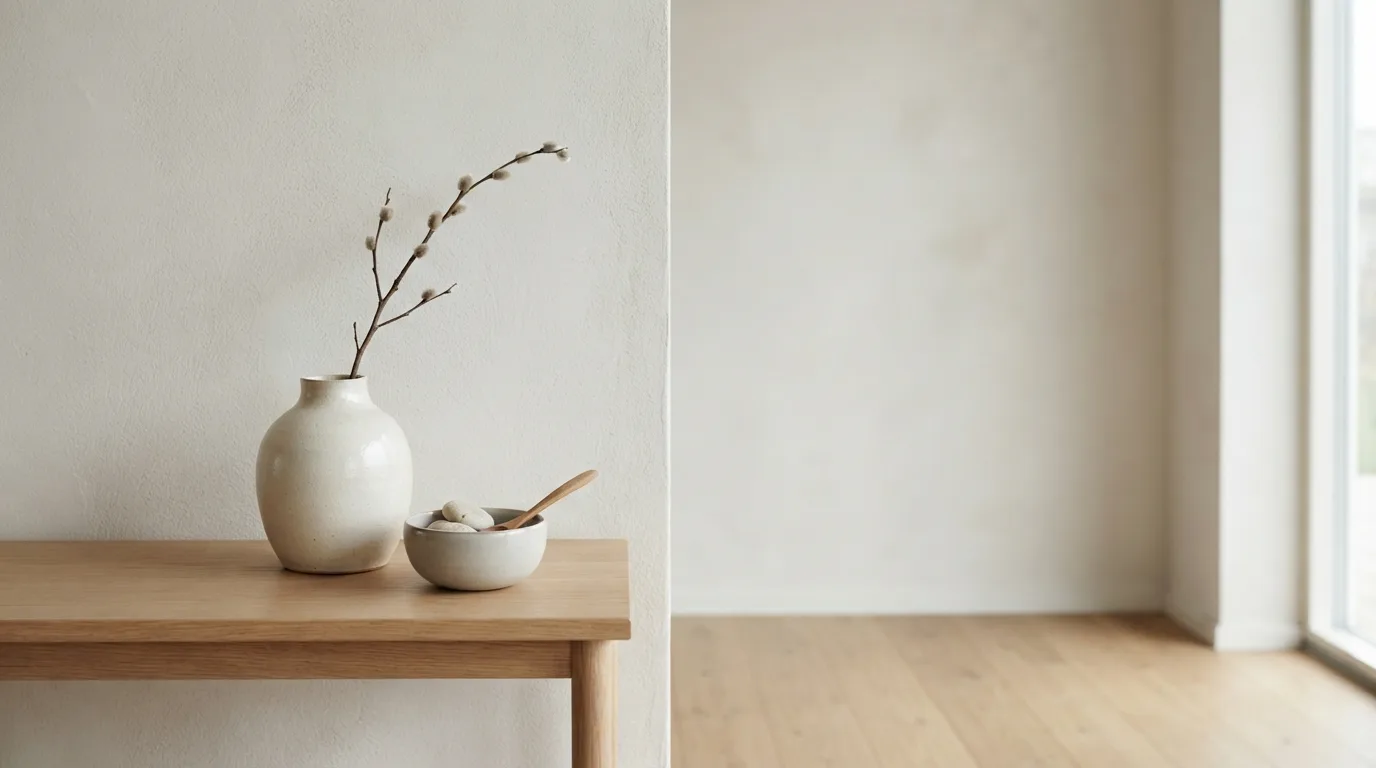
A room feels Scandinavian when light, wood and a few well-chosen objects do the work, while everything else gets cleared away. That balance of warmth and restraint is the whole trick, and it is why Scandinavian interior design can look calm rather than bare.
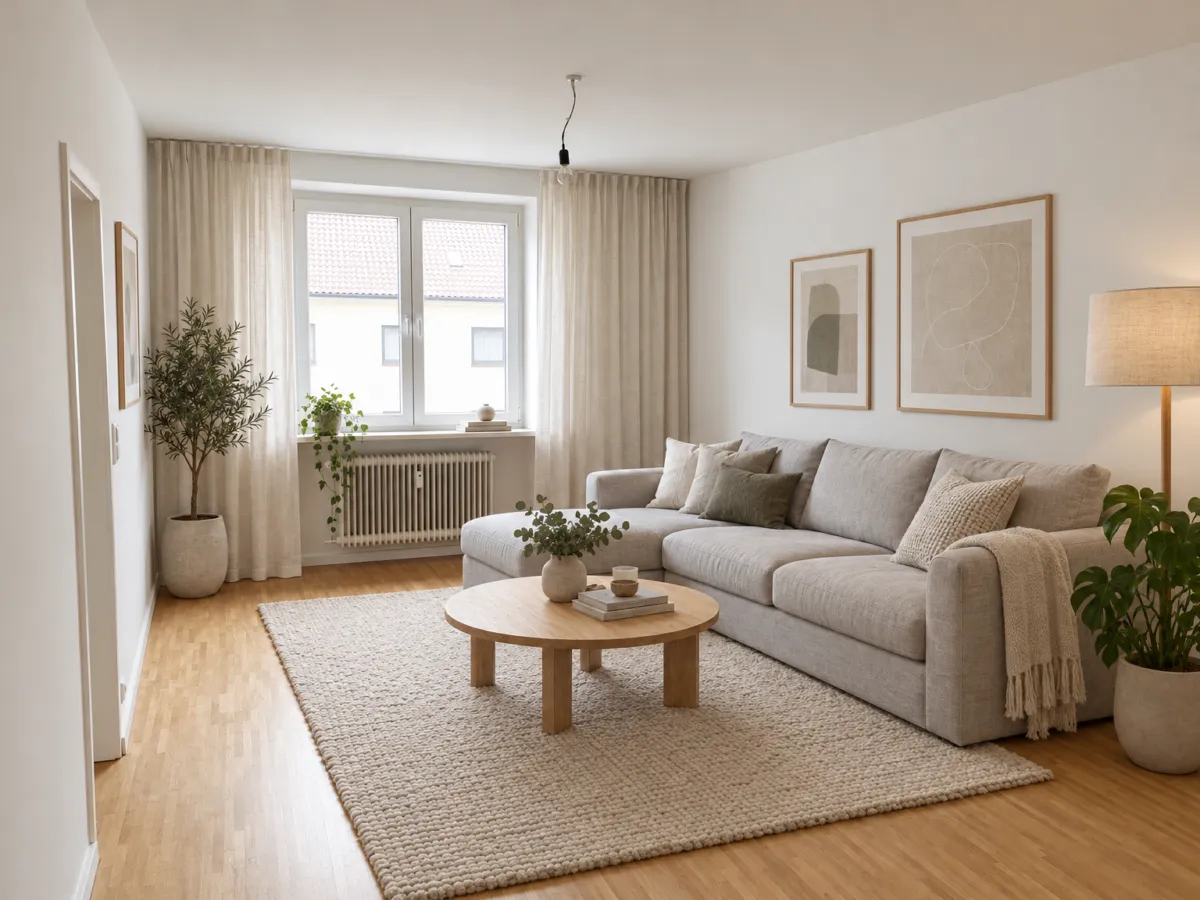
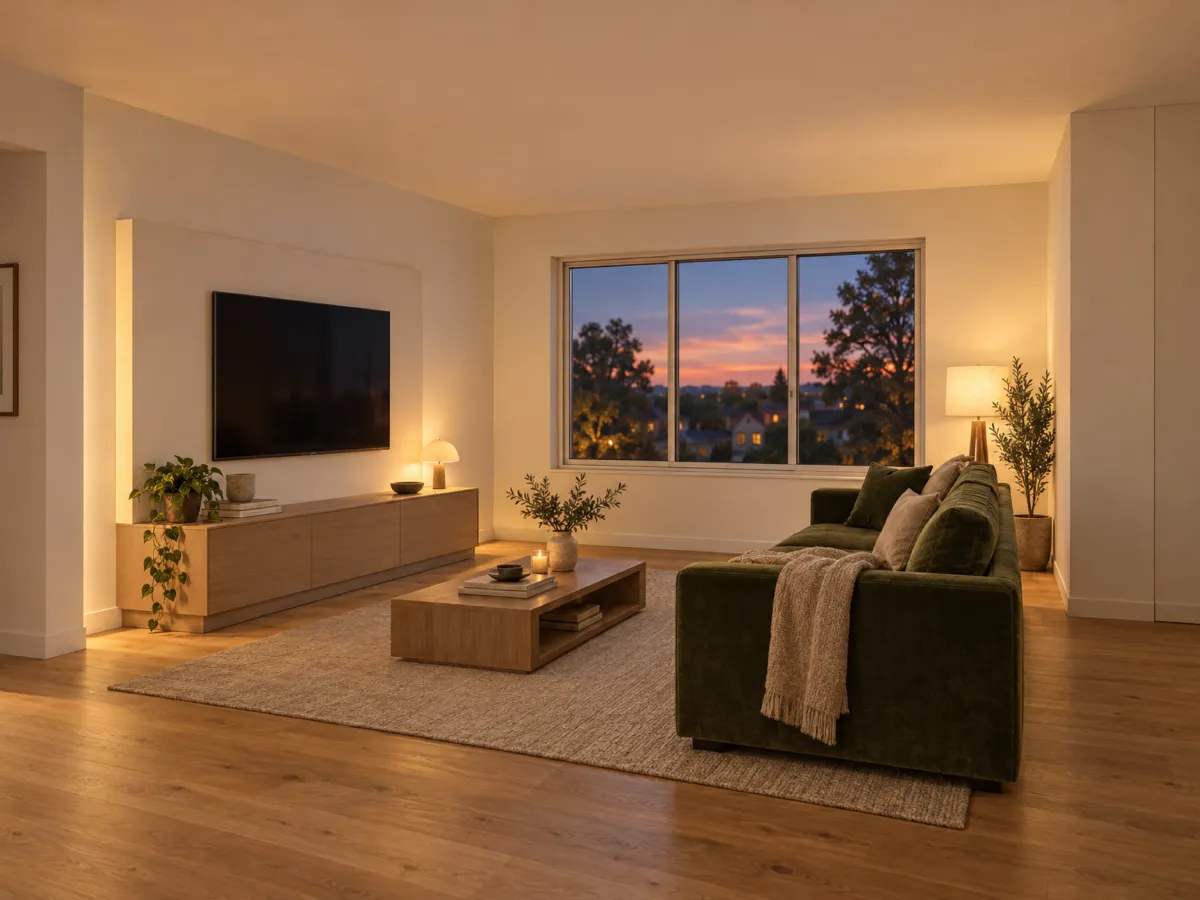
Start with the palette. White, gray and beige form the neutral foundation, and white dominates because it makes rooms look brighter through the long, dark winters. Soft pastels or one stronger accent lift the base here and there, and blues and greens echo the landscapes of the Nordic region. Glossy surfaces help too: they bounce daylight around the room instead of swallowing it. Windows stay bare or only lightly dressed so as much sun as possible reaches the floor.
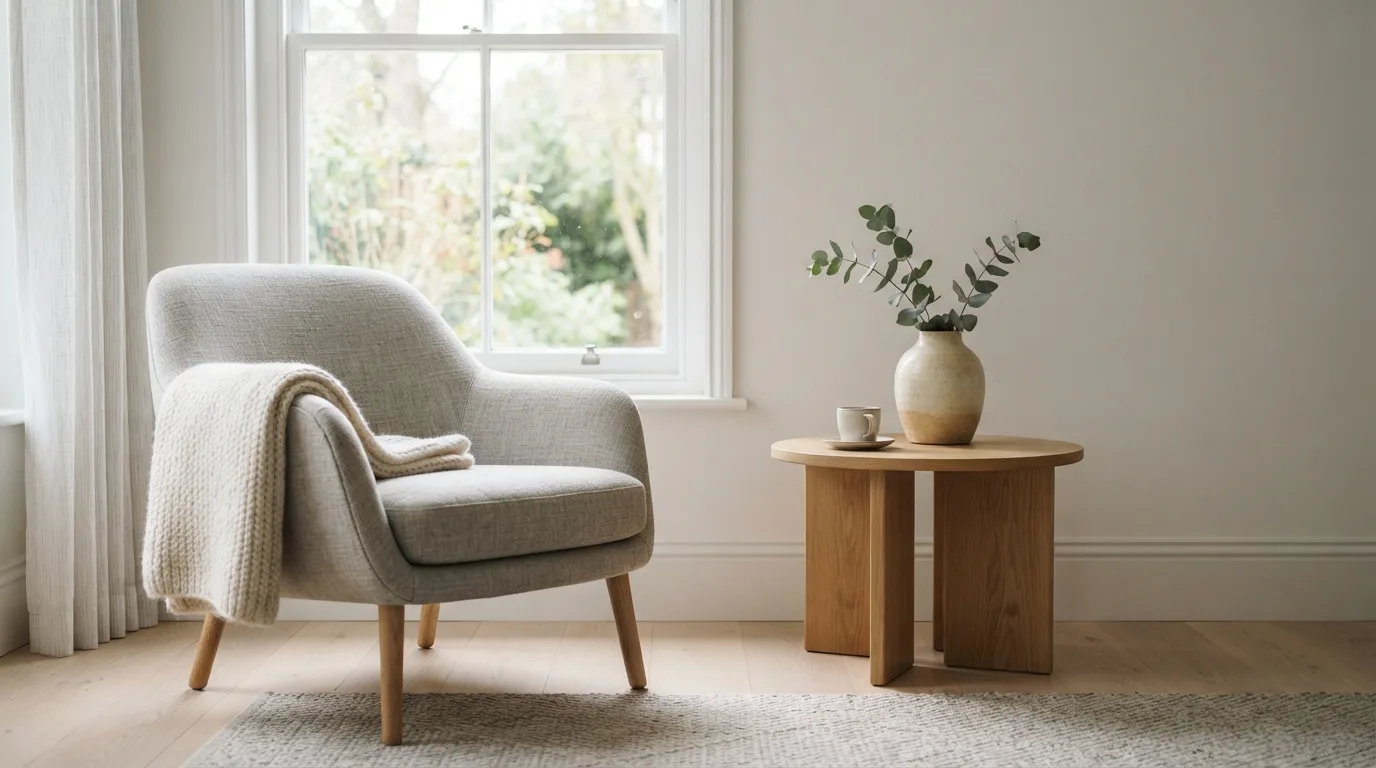
Then bring in wood. Pine, oak and ash are the foundational materials, and wood warms a room both in mood and in practice, since it naturally helps insulate the home. Wool and cotton textiles add texture and comfort. This is where minimalist interior design stops being a subtraction exercise: the empty wall needs one good chair in front of it, not three cheap ones. The difference between maximalist and minimalist here is not the number of objects but whether each one earns its place.
Clutter is the thing that breaks the look. Clear the surfaces and keep only objects you enjoy looking at. Functional design carries the rest: open floor plans, furniture that serves more than one purpose, and storage that hides the everyday mess. That matters most in small space living, where apartment styling depends on pieces that fold, stack or double up. Scandinavian design has treated form-follows-function as close to a science since Functionalism took off in the 1920s and began inspiring the region in the 1930s.
Before you buy anything, preview it. Renderist lets you drop a proposed palette, a wood tone or a single chair into a photo of your own room and see how it reads in your actual light.
How Do You Build a Scandinavian Palette That Still Feels Warm?
Start with the light, then pick the paint. White walls earn their place because they make rooms look brighter through the long, dark winters, which is why white dominates so many Nordic homes. Build the rest of your Scandinavian color palette on neutral tones: white, gray and beige as the base, with soft pastels or a stronger accent used sparingly.
Blue and green accents work because they echo the region's landscapes, so a muted sage cushion or a deep blue throw reads as part of the room rather than a decoration dropped on top. Glossy surfaces help too, since they bounce daylight around instead of swallowing it.
Wood is what keeps this from feeling clinical. Pine, oak and ash are the core material, and wood warms a room both visually and practically because it helps insulate the home. Add wool and cotton for texture, and you have the cozy atmosphere that separates a Scandinavian living room from a showroom.
The Scandinavian style is elegant, light and sparse, and it respects natural materials. That sparseness is the hard part: clear the clutter and keep only objects you enjoy looking at. One good chair beats five mediocre ones, and a Scandinavian bedroom with a single oak frame, linen bedding and bare windows will feel calmer than a room full of matching sets. The hygge effect comes from that restraint, not from adding more.
Before you buy paint or a sofa, preview the scheme in your own room. Renderist renders the wall color, floor tone and furniture against your actual window light, so you can see whether your neutral base turns gray by 4 p.m. before you pay for it.
Which Materials and Textures Make the Style Work in Practice?
Wood carries the look, and the three woods you will see most are pine, oak and ash. Use them for the big surfaces: wood flooring in a pale finish, a solid table, a shelf that runs the length of a wall. Wood also warms a room in a practical sense, because it naturally helps insulate a home.
Light wood keeps a Scandinavian dining room from turning heavy. A pine or ash table with slim legs leaves space underneath, so the eye travels through instead of stopping at a block of timber. Chairs from the 50s, 60s and 70s still fit today, with clean lines borrowed from shapes found in nature.
Soft textiles do the job hard surfaces cannot. Wool and cotton add comfort and texture, and linen and wool in cushions, throws and curtains soften the edges of all that pale timber. A rug under the table absorbs sound, which matters in a room with bare floorboards.
Glossy surfaces help too. A lacquered cabinet or a glass pendant bounces light around the room instead of swallowing it, which is why so many Scandinavian furniture pieces come in white or pale gray.
In a Scandinavian kitchen, open shelving shows everyday objects and keeps the wall from reading as a flat panel. A Scandinavian home decor rule worth keeping: everything on display should be something you enjoy looking at. Clear the rest away.
Natural materials need contrast to register. Wool next to smooth oak, matte ceramic next to glass. Without that mix, a room in this palette turns into one flat tone and the craftsmanship that defines the style disappears.
How Do You Use Light and Windows the Scandinavian Way?
Windows do most of the work in Scandinavian design, so start there before you buy anything. Leave them bare or hang only a light treatment, because the whole point is letting as much daylight as possible reach the room. In a Scandinavian living room, a heavy curtain or a dark blind cancels the effect faster than any furniture choice.
Large glazing matters even more in the north, where short winter days make every hour of sun count. Big windows pull in that light and soften the boundary between indoors and outdoors, which is why so much of the style reads as an extension of the landscape. If you cannot change the windows, work with what you have: keep sills clear, wash the glass, and move tall furniture away from the frame.
Glossy surfaces help here. A lacquered table, a glass vase, a polished floor all push light around the room instead of swallowing it, and white walls do the same job by making the space feel brighter on gray afternoons. Wood then warms the result, both in mood and in practice, since it insulates. Pine, oak and ash are the usual picks.
Once the shell is right, layer in the details that make a Scandinavian home decor scheme feel finished rather than empty. A single pendant lamp over the table, a few indoor plants for the green note, wool and cotton textiles for texture: that is often all the statement lighting a room needs. This is where Nordic interior design rewards restraint, and where a preview in your own room pays off before you commit.
How Can You Preview the Look in Your Own Room Before You Commit?
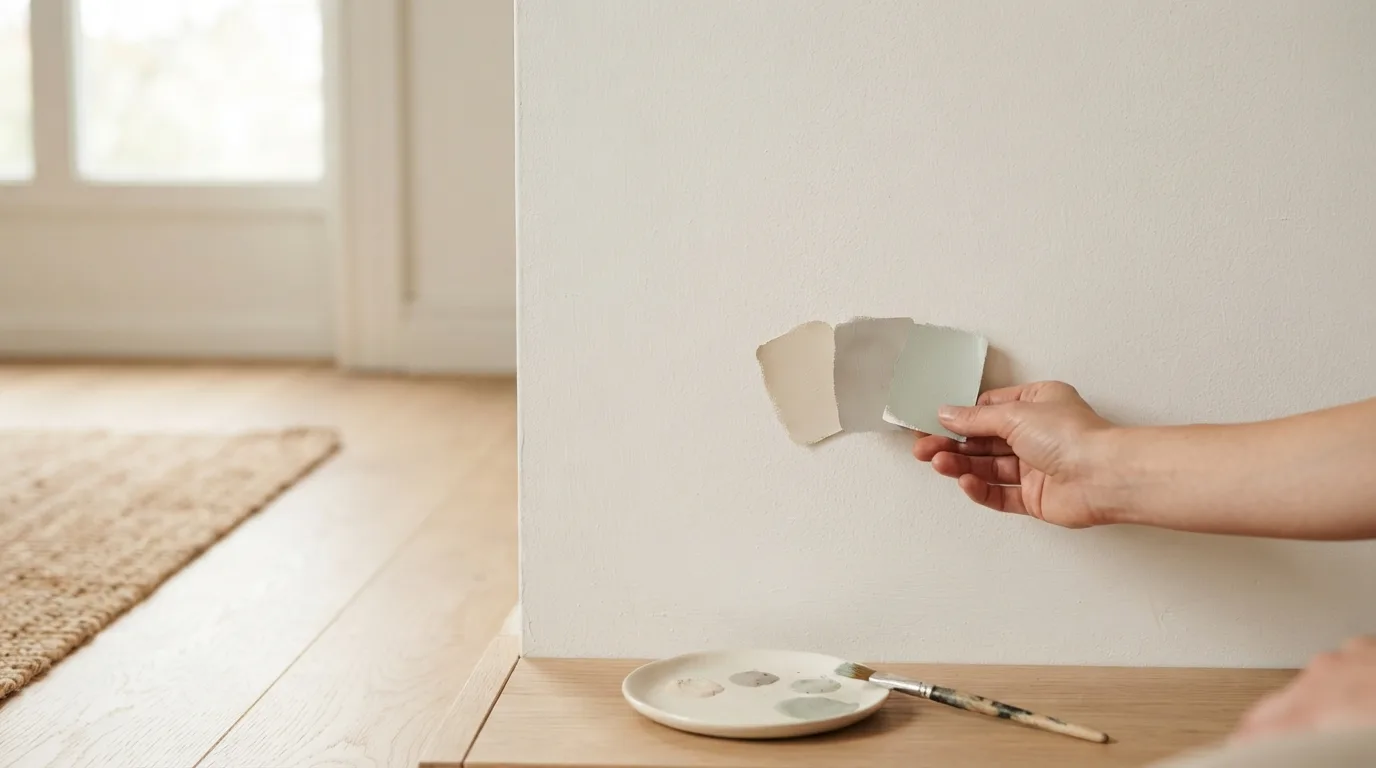
A paint chip tells you almost nothing. The same white looks different on a north wall at noon and on a south wall in the evening, and a swatch never shows how oak grain sits next to gray fabric. That is why Scandinavian design is easier to judge in a photo of your own room than in a sample book.
Start with the shell of the room. Note where daylight lands, what the window treatment already blocks, and which surfaces pick up shine. Then decide what stays: the sofa you keep, the floor you cannot change, the one piece you would fight to save. Everything else is a variable you can test.
This is where a render earns its keep. Upload a photo of the room, mark the walls, floor and furniture, and swap in a light palette, a wood tone and a wool throw. A minimalist interior design scheme falls apart fast when the proportions are wrong, so check the empty version first, before you add anything.
Judge the result against one question: does the room look calmer and brighter, or just emptier? Nordic interior design works when light bounces and wood warms the space, not when every surface turns the same shade of white.
Rendering is not a guarantee. It shows color and layout, not how a fabric feels or how a chair sits after an hour. Use it to rule options out cheaply, then spend money on the one you have already seen in place.
Reader Questions
What colors are used in Scandinavian interior design?
White, gray and beige form the neutral base, with soft pastels or stronger accents added in small doses. Blue and green accents show up often because they echo Nordic landscapes. White dominates for a practical reason: it makes rooms look brighter during the long, dark winters.
What kind of wood is used in Scandinavian furniture?
Pine, oak and ash are the woods you will see most often, and wood is the foundational material of the style. It warms a room visually and also insulates, so pieces with exposed timber do double duty. Look for light finishes that let the grain show rather than dark stains.
Why do Scandinavian homes have so many windows and so little on them?
Large windows capture as much daylight as possible during short winter days and blur the line between inside and outside. Curtains are left off or kept minimal so the light actually reaches the room. Glossy surfaces help too, because they bounce light around instead of absorbing it.
Is Scandinavian design the same as minimalism?
Not quite. Simplicity and minimalism are part of it, but so are functionality and a close connection to nature, and the point is to make everyday life work better. A Scandinavian room can be sparse and still practical, which is why multi-functional furniture and open floor plans fit so well.
Do I have to buy new furniture to get this style?
No. Designs from the 50s, 60s and 70s still work in today's rooms, so vintage and second-hand pieces with clean lines are a legitimate route. The bigger job is decluttering: keep only objects you actually enjoy looking at, and the style starts to appear without spending much.