Styles
How to Design a Modern Minimalist Interior That Feels Warm, Not Cold
Renderist Team ·
What Should a Modern Minimalist Interior Actually Keep?
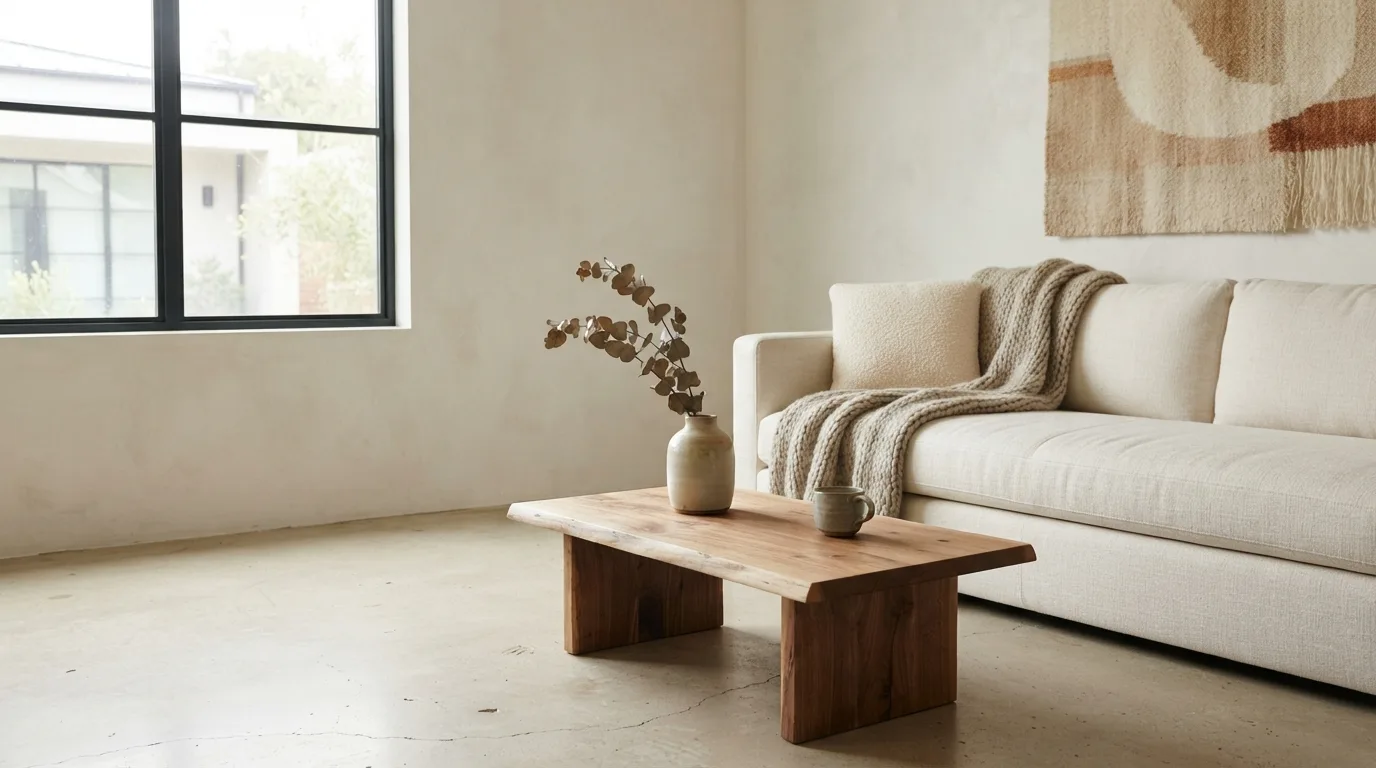
Keep the architecture and the light, and remove most of what sits in front of them. A modern minimalist interior is not an empty room; it is a room where every piece earns its place, so the walls, windows and floor can do the talking. Start by deciding what stays: the window that faces south, the original door, the ceiling height. Those are the things you cannot buy back later.
What goes is the furniture that only fills a corner. Minimalist design asks a harder question than "do I like it": does this piece do a job, or does it just add value you can name? A chair nobody sits in, a shelf holding three objects, a rug tucked under a sofa so only its edge shows. Each one is visual noise, and noise is what makes a pared-back room feel unfinished rather than calm.
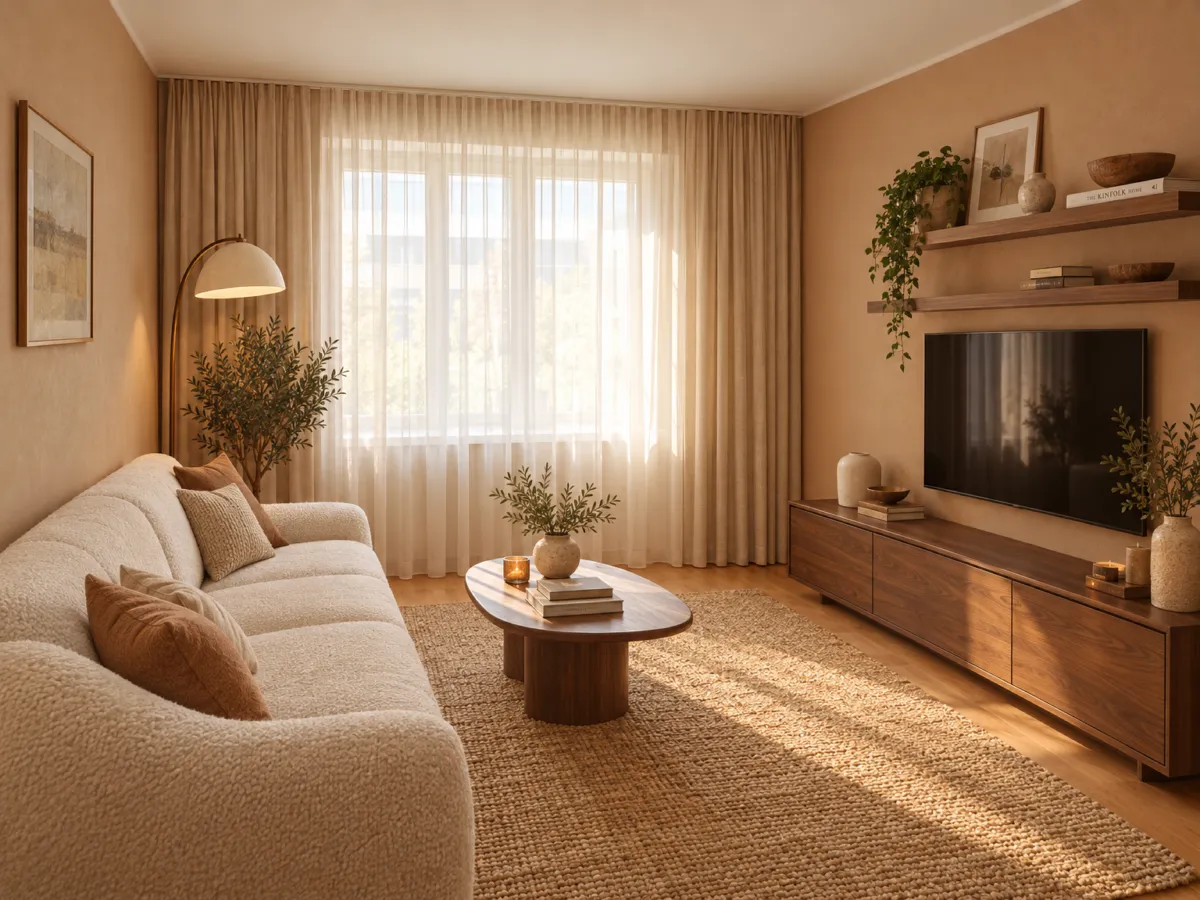
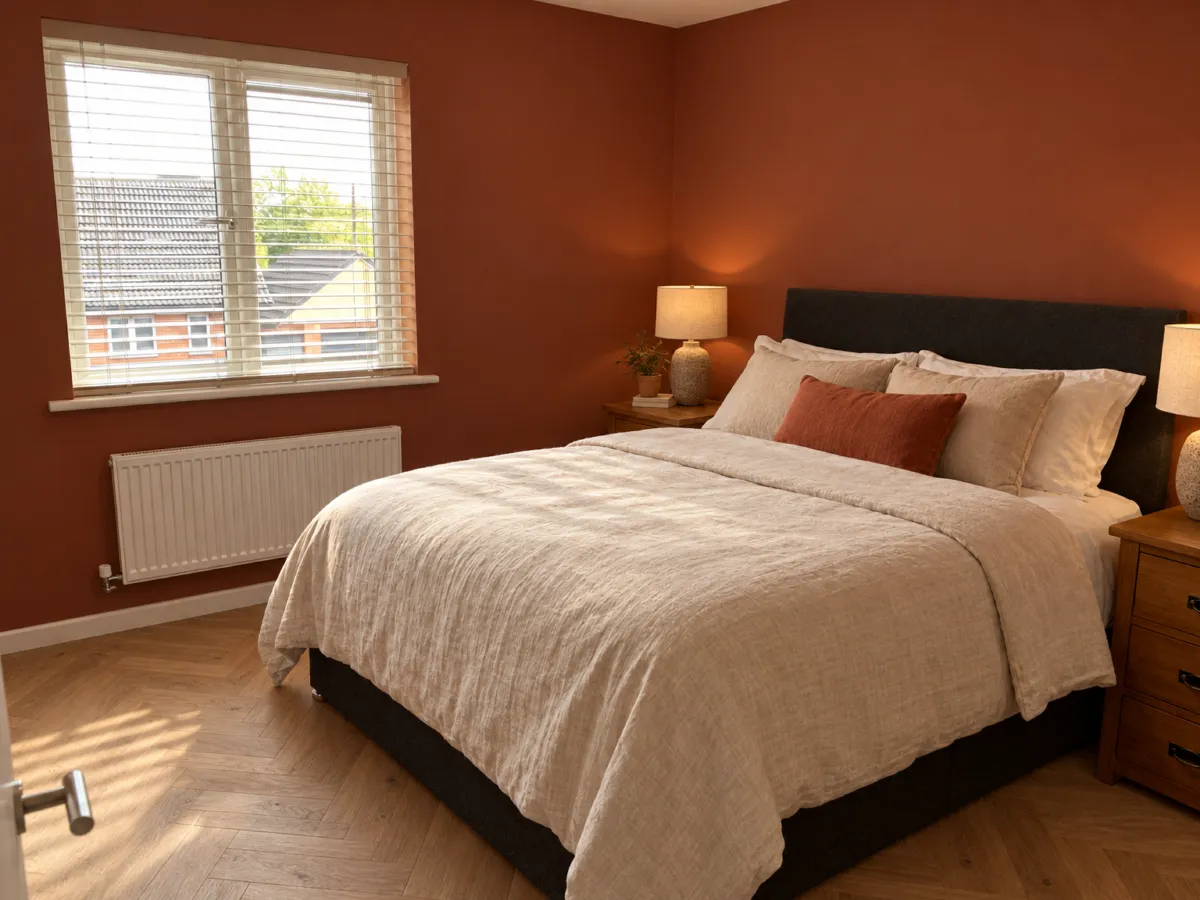
Clean lines carry the rest. Low, long, simple shapes leave the upper half of the room open, and that open space is what reads as calm. Wood finishes are a reliable way to keep it from going flat: coverage of pared-back bedrooms shows wood adding visual interest where color has been stripped out. Warm white and cream do the same job on walls, which is why so many warm minimalist schemes start there.
Small flats gain the most. Smart storage and multi-purpose furniture make a limited footprint feel larger, and buying fewer, better pieces tends to cost less over the years than replacing cheap ones. The trap is stopping halfway: half the clutter gone leaves a room that looks unfinished, not serene.
Which Materials and Textures Stop Minimalism from Feeling Cold?
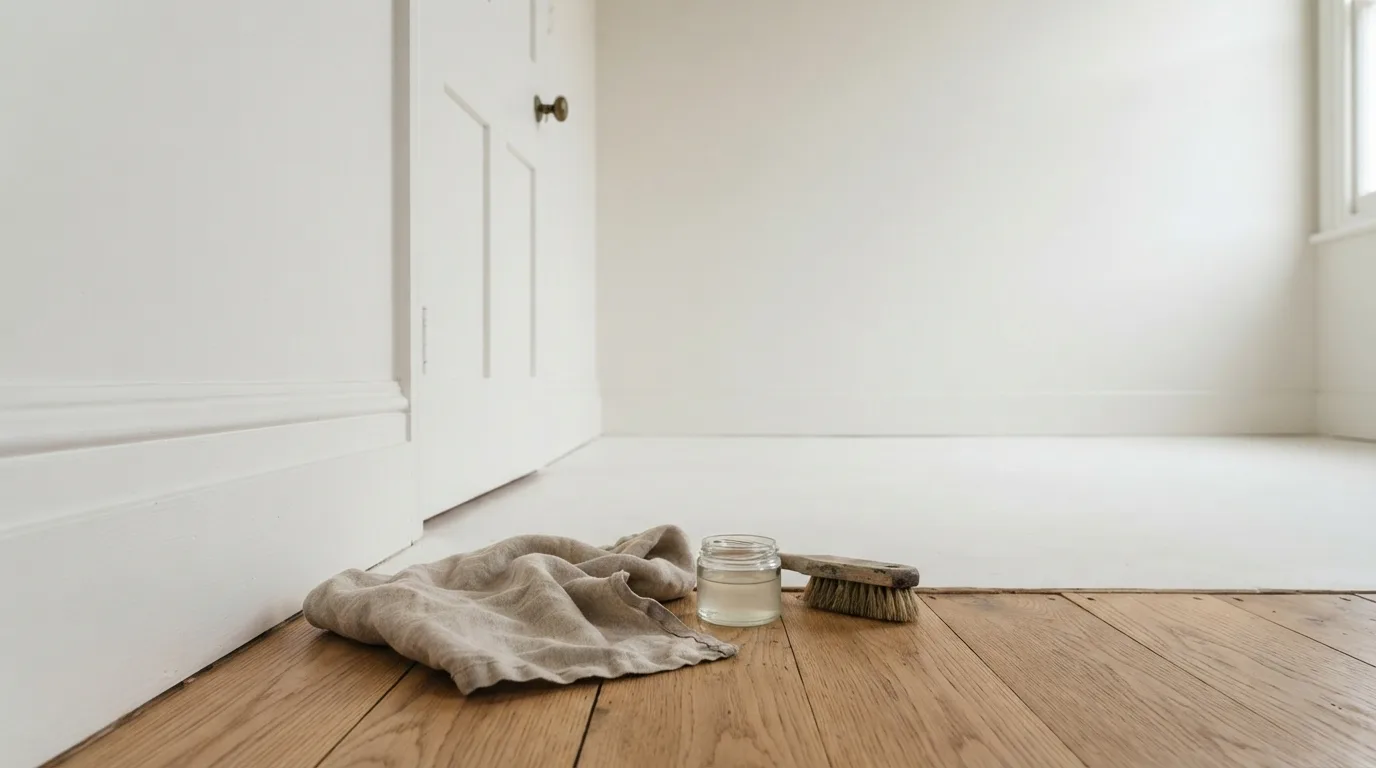
Wood is the fastest way to take the edge off a pared-back room. In a modern minimalist interior, wood finishes give pared-back bedrooms something for the eye to land on, as coverage of minimalist interiors shows. A floor, a door, a single shelf in oak or ash does more for warmth than a dozen cushions.
Exposed concrete sits at the other end. A roundup of minimalist bedrooms lined with exposed concrete surfaces shows the look works, but concrete bounces light back cold. If you want it, keep it to one surface and pair it with something soft nearby.
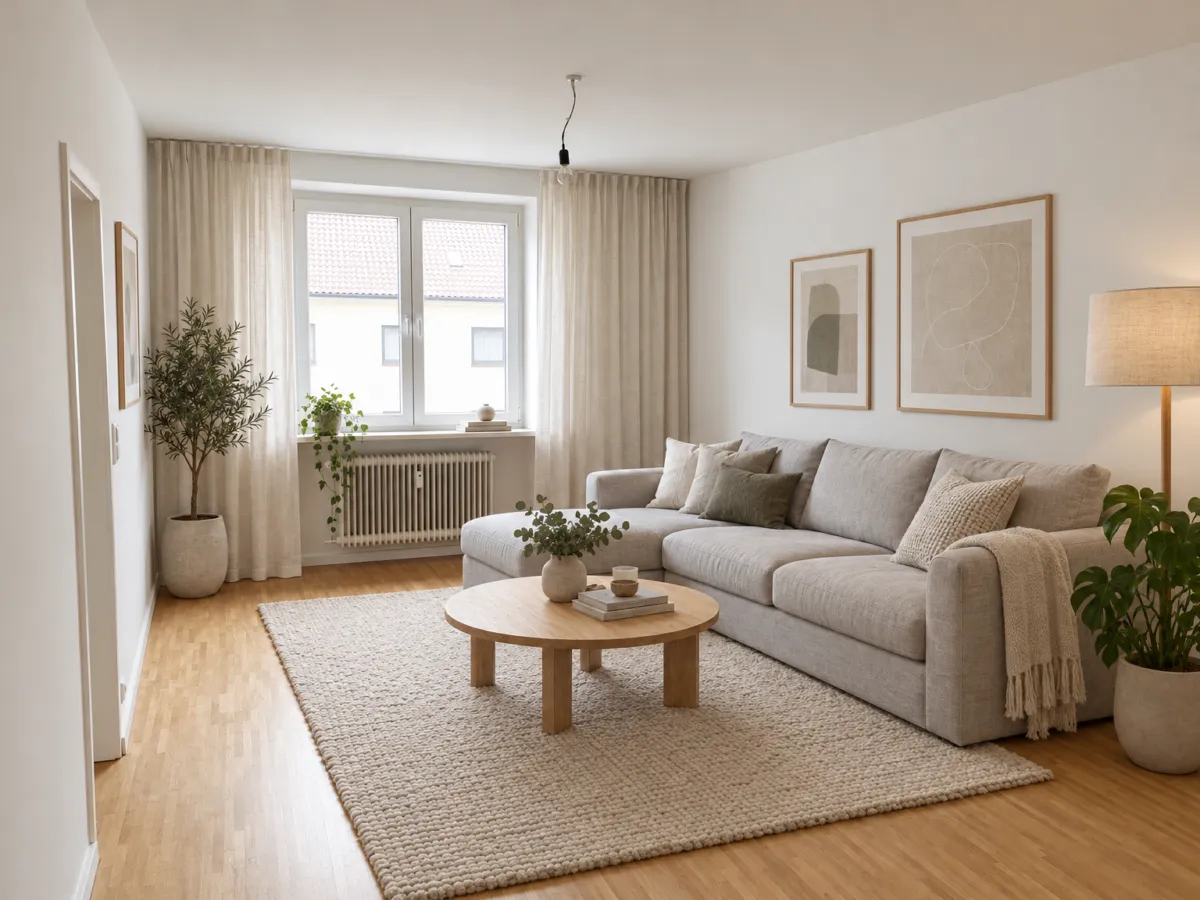
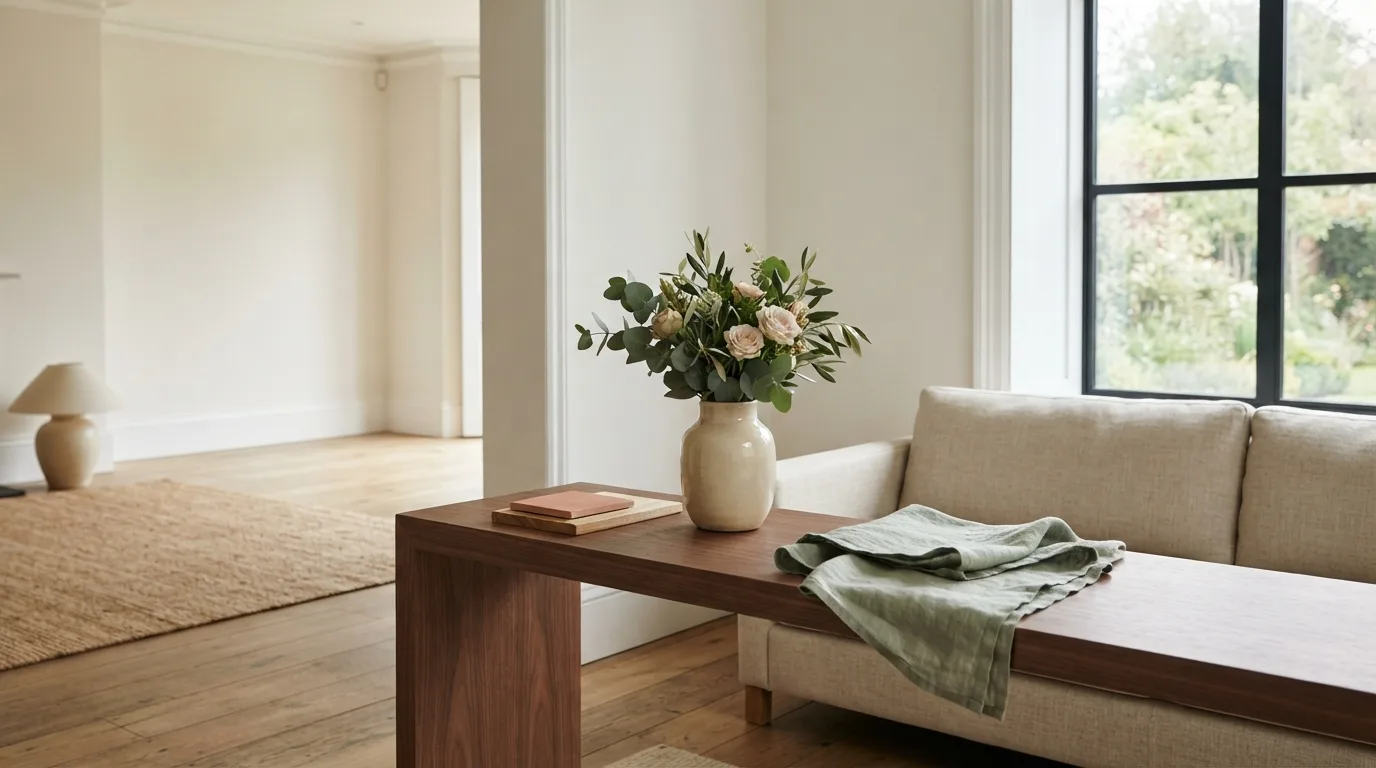
Texture is what separates a warm room from a showroom. Linen, wool, bouclé, a rug with a visible weave: these read as touchable even in photos. The neutral palette of white, beige, gray and soft pastels holds the calm; texture keeps it from going flat.
Wabi-sabi takes this further. It is a minimalist approach that blends simplicity with the beauty of imperfection, so a hand-thrown vase or a slightly uneven plaster wall earns its place. Warm minimalist interiors lean on white and cream tones for the same reason.
For minimalist home decor, pick three materials and repeat them through the flat. Repetition reads as intention, and intention is what stops a clean room from feeling empty.
How Do You Remove Clutter Without Making a Room Feel Empty?
The instinct when a room feels crowded is to clear everything at once. That leaves bare walls, an echo, and the sense that nobody lives there. Start with one surface instead: the coffee table, the windowsill, the shelf above the sofa. Empty it, then put back only what earns its place.
That test comes from the idea behind minimalist living: every piece either does a job or adds something you would miss. A lamp that lights your reading chair stays. Three decorative bowls holding nothing go. Apply the same rule to furniture and you avoid the empty-box look, because what remains has a reason to be there.
Once the surfaces are clear, look at the room as a whole. A pared-back layout makes the space feel more open and easier to breathe in, and that effect grows when the floor stays visible. Pull furniture slightly away from the walls, keep walkways clear, and let the open space do the work that extra objects were doing before.
Warmth comes from what you leave behind, not what you add. Wood finishes bring visual interest to plain bedrooms, and a cream or white base keeps a modern room cozy rather than clinical. Choose fewer, better pieces and the room gets cheaper to live with over time. When you want to see the result before buying anything, Renderist lets you preview a decluttered version of your own room first.
What Makes a Minimalist Space Feel Warm Rather Than Sterile?
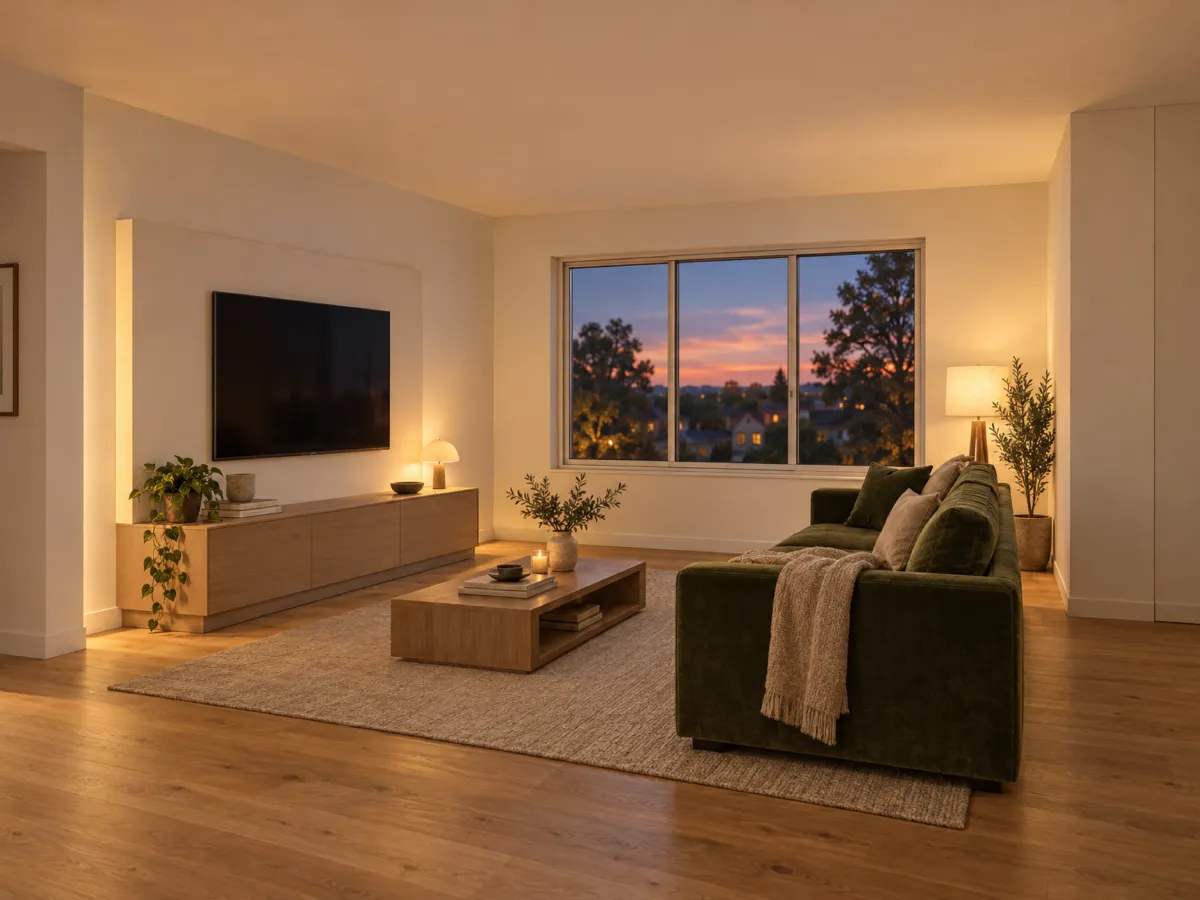
Warmth in a modern minimalist interior rarely comes from adding more. It comes from what you leave in and how those few things are finished. A pared-back room reduces visual clutter, which makes the space feel more open and easier to breathe in, and that openness is where comfort starts.
Color does most of the work. Neutral shades such as white, beige, gray and soft pastels calm a room and make it look larger and more inviting, and warm minimalist schemes lean on white and cream to keep a home cozy. One restrained, rigorous palette across walls, floor and upholstery reads calmer than several near-matches, which is why a calm interior usually sticks to two or three tones and lets texture carry the rest.
Texture is the antidote to sterility. Wood finishes add visual interest to pared-back bedrooms, and exposed concrete shows how far the material range stretches in minimalist design. Handle it well and minimalism does not have to be boring: it lends a serene look to even the most ordinary rooms.
Be intentional about every piece. Minimalism is not about owning fewer things but about choosing each element on purpose, so furniture either serves a practical function or adds real value. Fewer, higher-quality pieces can also cost less over time. Buy one good chair instead of three cheap ones and the room gains weight without gaining clutter.
In small flats, smart storage and multi-purpose furniture make limited space feel larger, which matters more than any decorative gesture. A minimalist home supports mental clarity and lowers stress by keeping the environment peaceful. Before you commit, preview the palette and furniture layout in a render: Renderist lets you see the change first, so you spend on the pieces you keep.
Where Does Minimalist Interior Design Go Wrong in Real Homes?
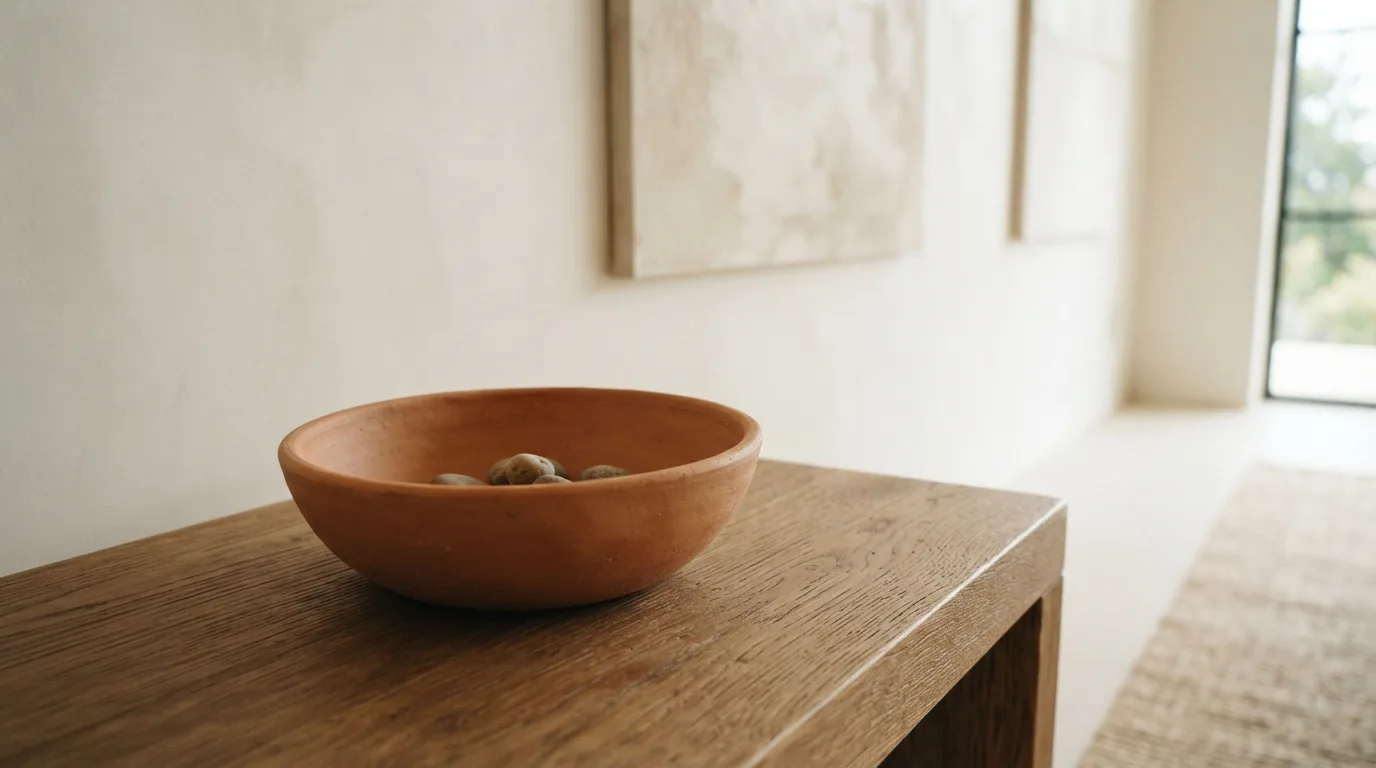
The most common failure isn't too much furniture. It's too little thought behind what stays. Minimalism means choosing every element on purpose, so each piece either does a job or adds real value. Strip a room down without that filter and you get empty, not calm.
Neutral colors carry the same risk. White, beige, gray and soft pastels make a room feel bigger and more inviting, but only when something in the room has weight. In a modern interior design scheme, that weight comes from wood finishes, which add visual interest to pared-back bedrooms, or from exposed concrete. Take both out and the palette turns clinical.
Storage is where small flats go wrong first. Minimalism suits compact homes because smart storage and multi-purpose furniture make limited space feel open, yet the clutter usually moves into a cupboard and back out again. Fewer, higher-quality pieces can cost less over time, but only if you stop buying the cheap stopgaps.
A minimalist style that reads cold has usually skipped texture. The fix is one warm material, one soft surface and one thing you actually love, then checking the result before you commit to paint or a sofa. Renderist lets you preview those changes in your own room first, so you see whether the balance holds before spending anything.
Najczęściej zadawane pytania
Is minimalist interior design just having fewer things?
No, minimalism is about choosing every element on purpose rather than owning less for its own sake. Each piece of furniture or decor should either serve a practical function or add real value to the space. That is why a sparse room can still feel empty while a carefully edited one feels calm.
What colors work best for a warm minimalist room?
White, cream, beige, gray and soft pastels form the base of a minimalist palette because they calm the room and make it look bigger. Warm minimalism leans on white and cream tones to keep a modern home cozy. Add a little contrast through wood or texture so the neutral base does not read as flat.
Does minimalist design work in a small apartment?
Yes, minimalism suits small flats and houses particularly well. Smart storage and multi-purpose furniture make limited space feel more open, and cutting visual clutter helps a room feel easier to breathe in. The trick is planning storage before you remove anything, not after.
Is minimalism more expensive than a traditional interior?
Buying fewer but higher-quality pieces can make a minimalist interior cheaper over time. You spend less on short-lived trend items and replace less often. The upfront cost of one good piece may be higher, so budget by room and buy in stages rather than all at once.