Styles
Japandi Style: A Practical Guide to Calm, Warm Interiors
Renderist Team ·
If you have been scrolling through interior inspiration lately, you have almost certainly seen the japandi style. It is the aesthetic that makes a room feel both airy and grounded, sleek yet incredibly cozy. It is not just a fleeting trend; it is a philosophy of living that combines the best of two design cultures. But pulling it off without ending up in a cold, empty room or a cluttered mismatch can be tricky. This guide will walk you through the core principles, the right materials, common pitfalls, and how to test your ideas before you commit to a tin of paint.
What Exactly Defines Japandi Style?
At its core, Japandi is a hybrid of Japanese minimalism and Scandinavian functionality. It is where the Japanese concept of wabi-sabi, finding beauty in imperfection, meets the Scandinavian concept of hygge, creating a cozy, comforting atmosphere.
Where pure minimalism can sometimes feel sterile or harsh, Japandi softens the edges. It takes the clean lines and uncluttered surfaces of Japanese design and warms them up with the natural textures and comfort of Scandinavian living. It is not about having nothing; it is about having exactly the right things, and making sure those things are beautiful, functional, and built to last.
The Core Principles of Japandi Design
To master this look, you need to understand the philosophy driving it. It is less about buying specific items and more about adopting a mindset of restraint and quality.
Functionality First
Every piece in a Japandi room should have a purpose. This is borrowed heavily from both cultures. If a chair is not comfortable, or a shelf is not holding weight, it has no place here. Look for furniture that is well-made, often low to the ground, and free of excessive ornamentation. The beauty comes from the craftsmanship, the joinery of a wooden chair, or the weight of a ceramic bowl, not from decorative carving or glitter.
The Beauty of Imperfection
This is the wabi-sabi element. Forget the pressure of a showroom-perfect home. Japandi embraces the organic. A handmade vase with an uneven glaze, a wooden table with a visible knot, or linen that wrinkles naturally are all celebrated. These textures add life and warmth to a room, preventing it from feeling like a sterile gallery.
Contrast Through Texture, Not Clutter
Because the color palette is so restrained, texture becomes your primary tool for creating interest. You are layering rough with smooth, hard with soft. Think of a chunky wool throw draped over a sleek leather lounge chair, or a rough ceramic pot sitting on a polished concrete floor. This interplay is what makes a Japandi room feel inviting and dynamic without adding visual noise.
Building the Japandi Palette and Materials
The color scheme is arguably the most recognizable aspect of this style. It is a soothing mix of warm neutrals and deep, grounding tones.
- Base Colors: Warm whites, off-whites, and soft beiges. Avoid stark, clinical whites or cool grays. You want the color of natural plaster, oatmeal, or unbleached cotton.
- Accent Colors: Muted earth tones like terracotta, rust, olive green, and dusty brown. These should be used sparingly in textiles or art.
- Dark Contrast: Charcoal, dark brown, or near-black. This is crucial for grounding the space. It often appears in window frames, lamp bases, or a single statement piece of furniture.
When it comes to materials, natural is non-negotiable. Wood is the star of the show, but stick to lighter woods like oak, ash, or maple for larger pieces. Bamboo and rattan are excellent for lighting and accessories. For fabrics, prioritize natural fibers: linen, cotton, wool, and jute. For hard surfaces, consider stone, clay, and concrete. You are essentially trying to bring the outdoors in, celebrating the raw state of these materials.
Common Mistakes That Break the Look
Because Japandi is a delicate balance, it is easy to fall off the tightrope. Here are the most frequent errors people make when trying to achieve this aesthetic.
- Going Too Cold or Too Stark: If you rely on pure white walls and black metal furniture, you have created an industrial loft, not a Japandi sanctuary. The warmth must come from the undertones in your neutrals and the presence of wood. If your room feels like a hospital, add more beige, tan, or natural wood.
- Confusing Minimalism with Emptiness: Japandi is not about having one chair in an empty room. It is about curated abundance. A room can have plenty of items, but they should be stored away or displayed intentionally. A bare room lacks the "hygge" factor. You need soft textiles, books, and objects that tell a story.
- Using Fake or Plastic Materials: A faux wood laminate floor or a plastic "rattan" basket will instantly cheapen the look. The entire philosophy relies on the authenticity of materials. It is better to have one real oak side table than three fake wood ones. Go slow, buy less, but buy real.
- Ignoring Negative Space: While you do not want emptiness, you do need breathing room. Do not push all your furniture against the walls. Leave space around key pieces. Do not fill every shelf to the brim. Negative space allows the eye to rest and appreciate the items you do have.
- Forgetting the Lighting: Overhead fluorescent lighting kills the mood. Japandi relies on soft, diffused light. Use floor lamps with paper shades, table lamps with warm bulbs, and plenty of natural light. Lighting is what makes the textures glow and the space feel safe.
How to Apply Japandi Room by Room
You do not have to renovate your whole house overnight. You can introduce this style into specific areas to test how it feels for your daily routine.
The Living Room
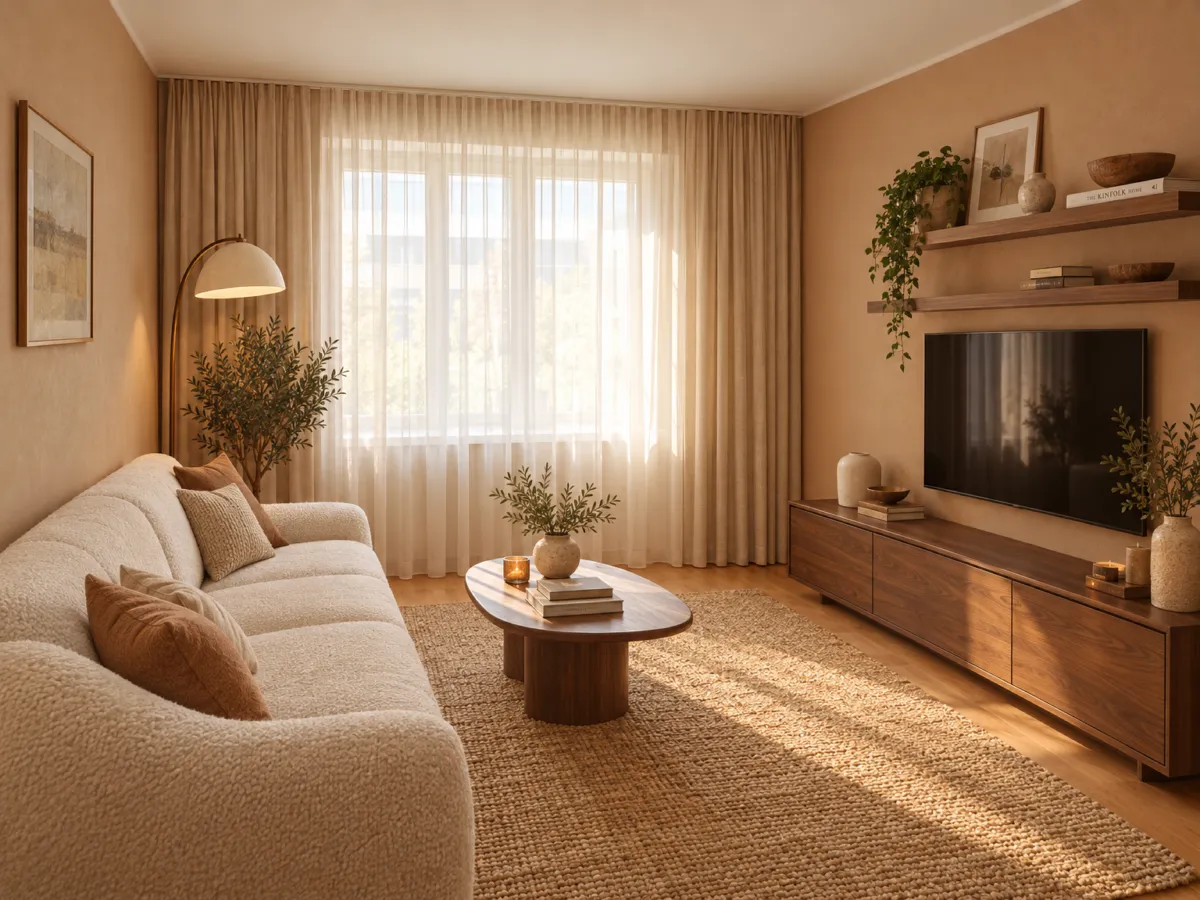
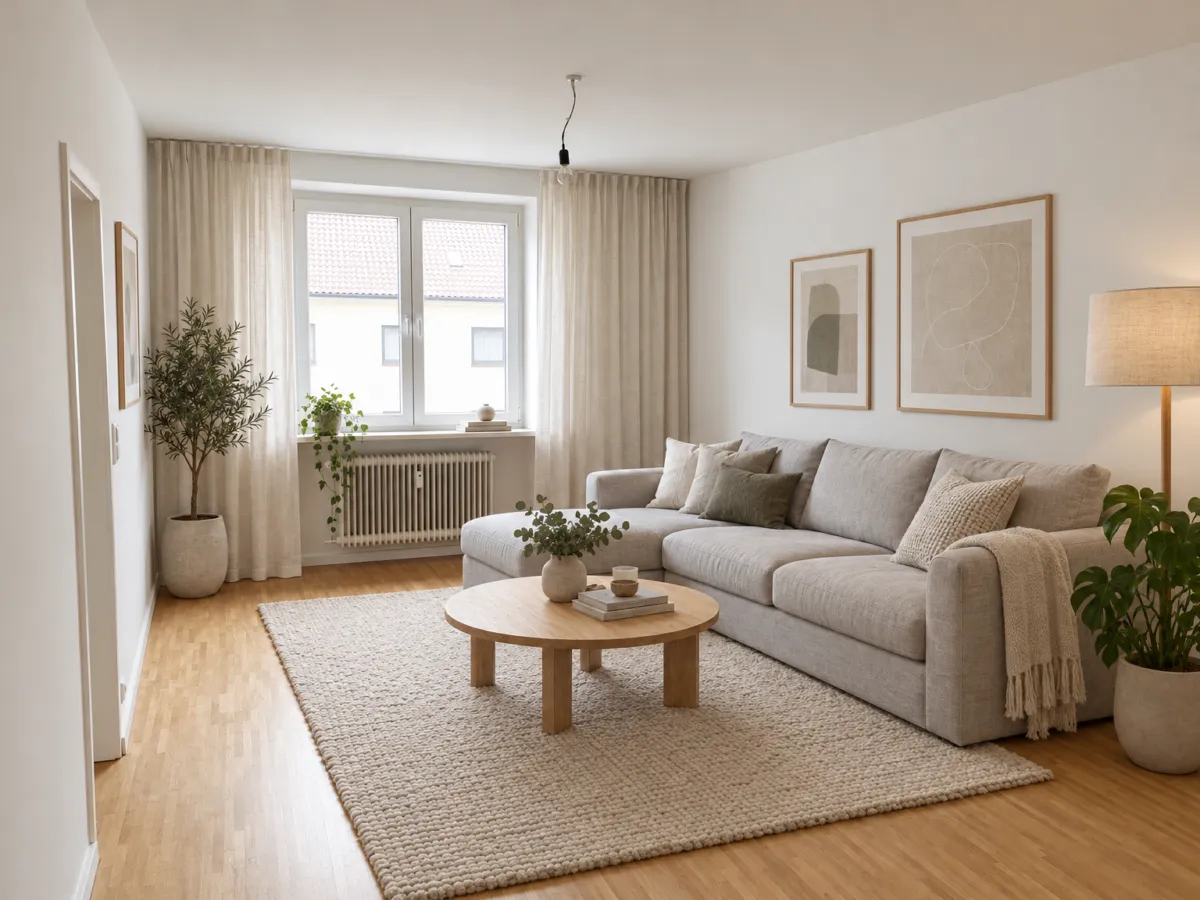
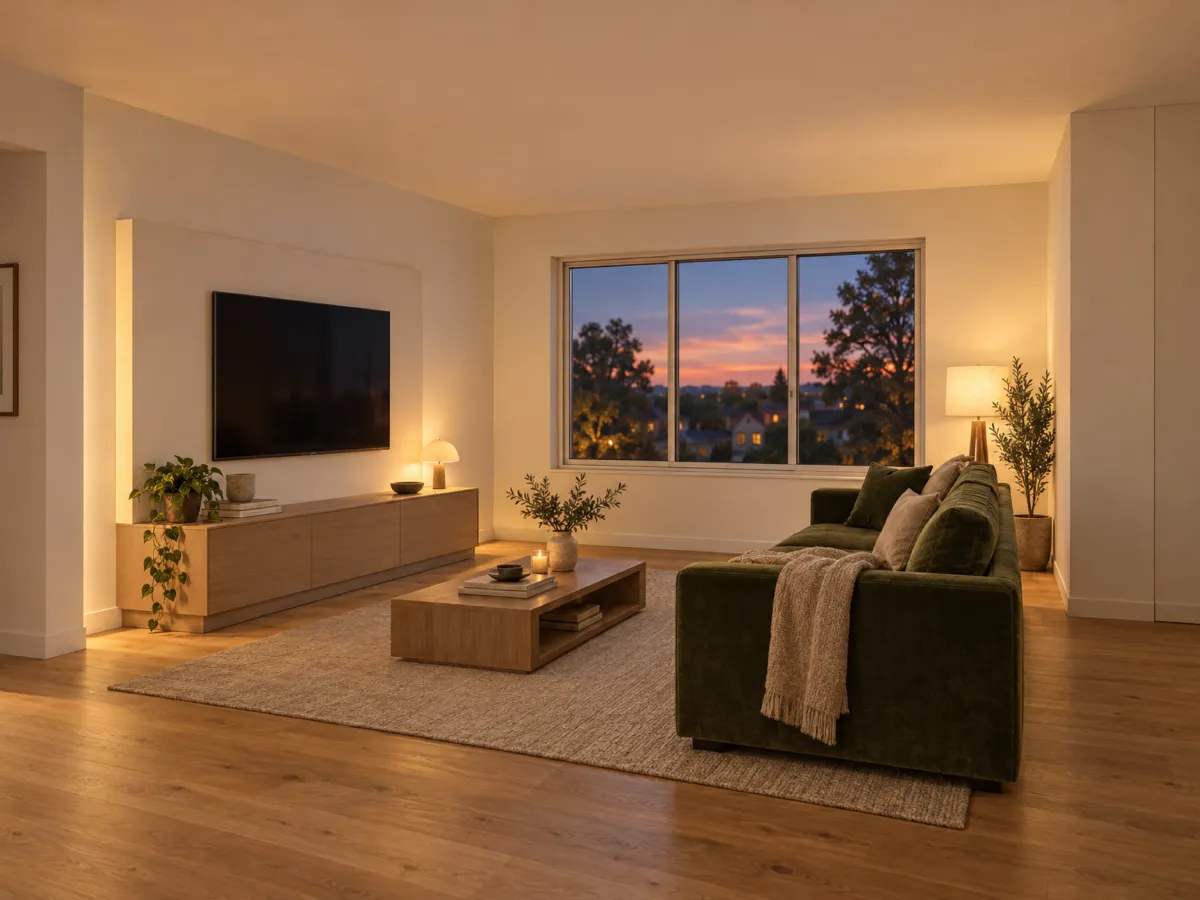
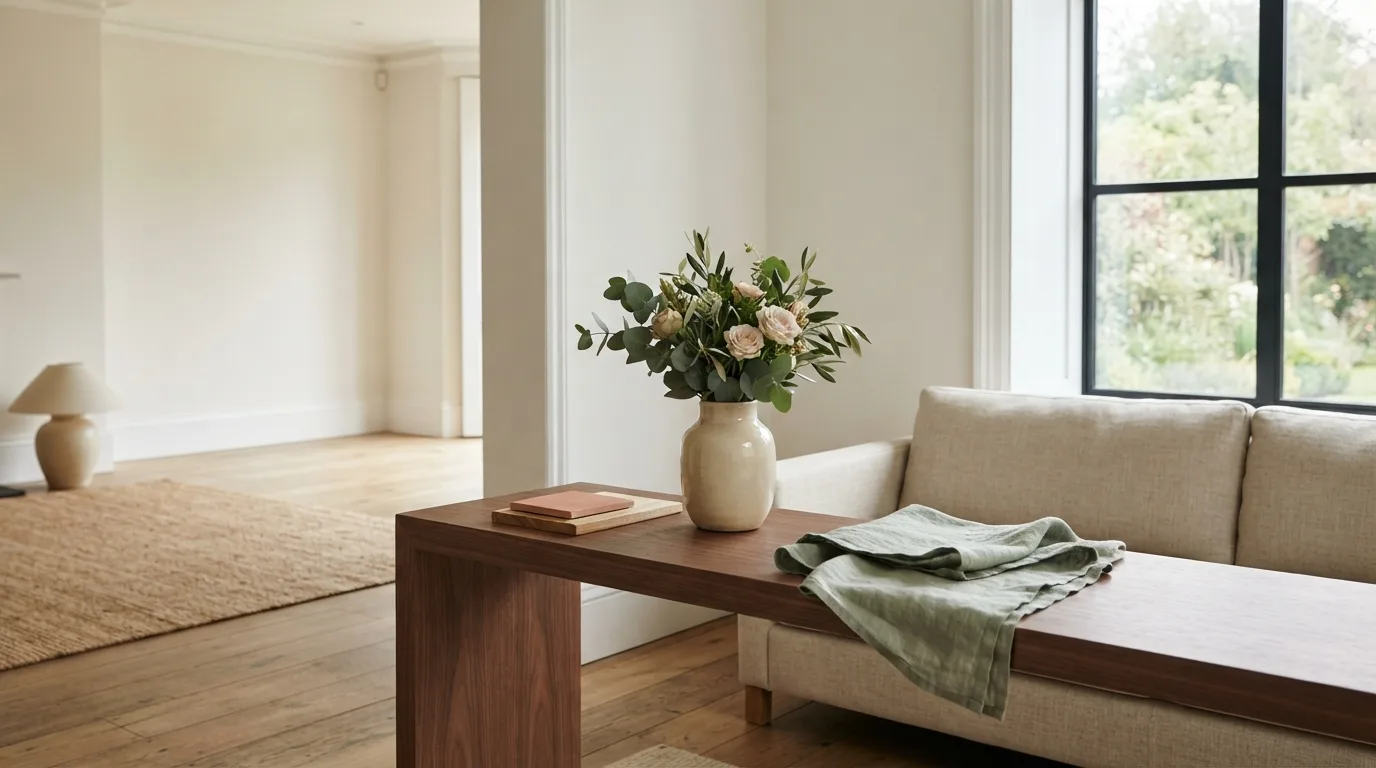
Start with a low-profile sofa in a natural linen or cotton blend. Add a solid wood coffee table, perhaps one with a live edge or visible grain. Layer a wool or jute rug underneath. Keep surfaces mostly clear, maybe displaying only a stack of art books and a single ceramic vase with dried branches. The goal is a space that invites conversation and relaxation without visual distraction.
The Bedroom
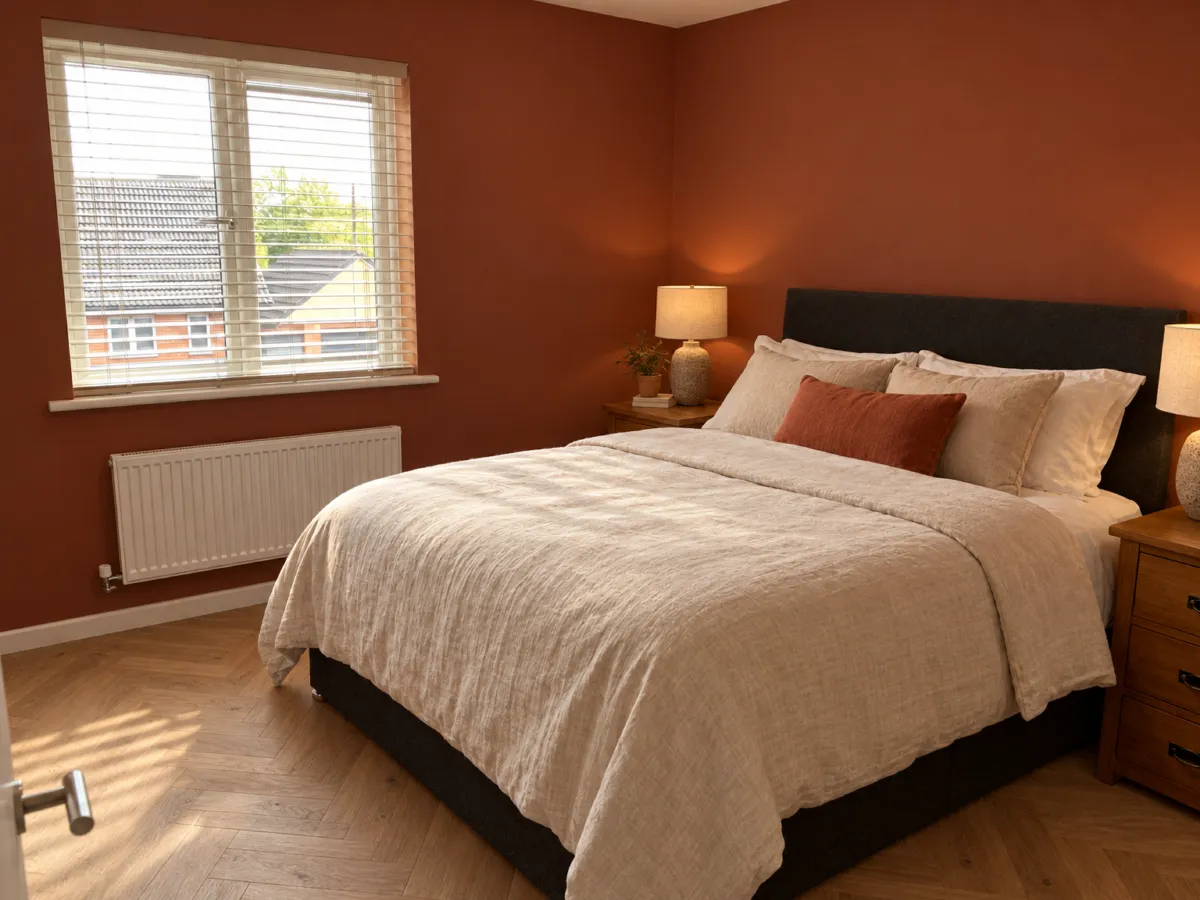
This is where the cozy aspect of Japandi shines. Use bedding in soft, washed linen in tones of oat, sand, or clay. A low platform bed frame in light wood sets the tone. Hide clutter in closed storage, like a wooden wardrobe or under-bed drawers. A single piece of abstract art or a woven wall hanging above the bed is all you need. The room should feel like a retreat, promoting deep rest.
The Kitchen and Bath
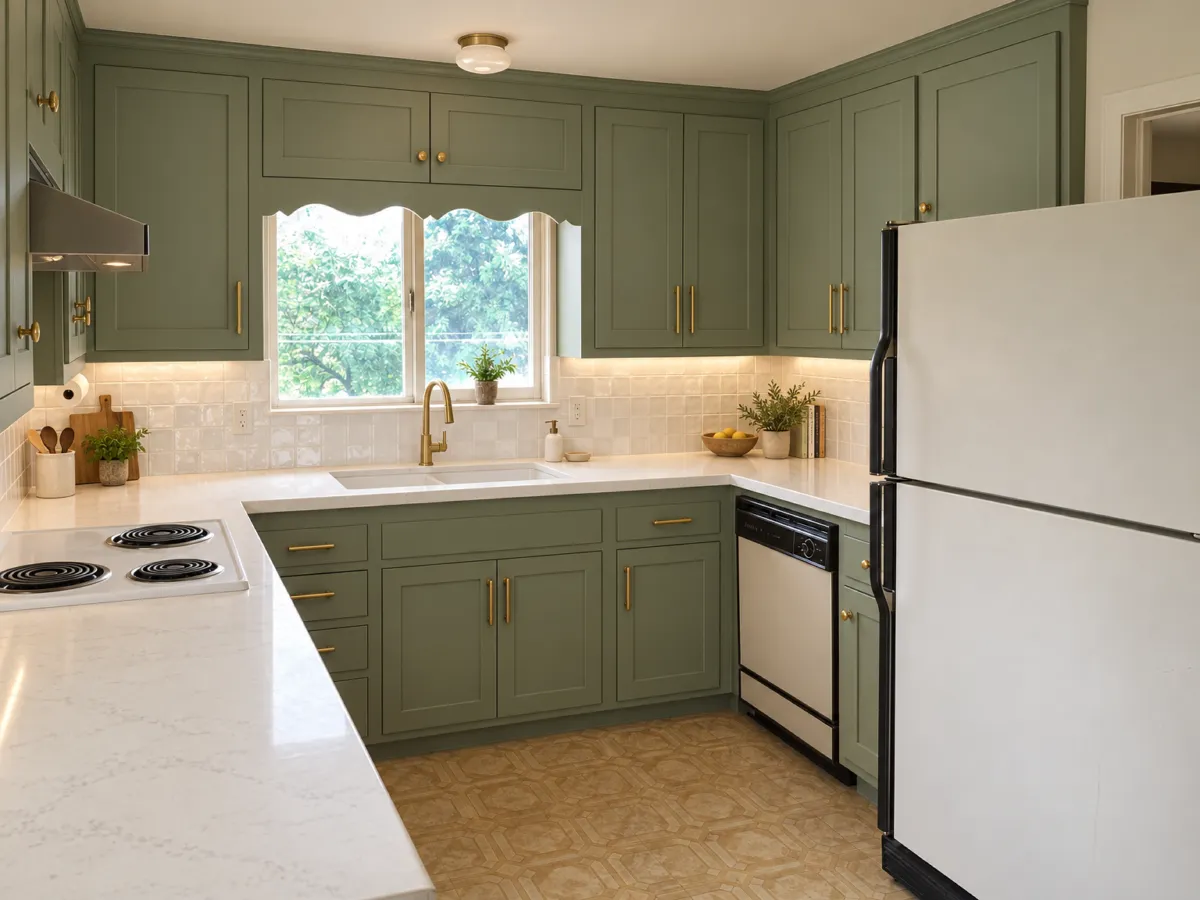
In these functional spaces, focus on natural stone or wood countertops if possible. Swap plastic organizers for ceramic, glass, or wooden containers. Display everyday items like wooden cutting boards or stone soap dispensers as decor. Keep countertops as clear as possible. A simple branch in a vase or a small potted plant adds life without clutter.
Previewing Your Japandi Ideas with AI
One of the hardest parts of interior design is visualizing how a concept will look in your specific space. You might love the idea of dark charcoal walls, but will it make your living room feel like a cave? You might want to swap your sofa, but you are unsure if the beige linen will clash with your existing oak floors.
This is where technology can be a massive help. Instead of relying on your imagination or buying sample pots of paint that you might never use, you can use AI to test the waters. Renderist allows you to take a photo of your current room or even a rough sketch of a space you are planning, and it generates realistic visualizations based on the Japandi principles we have discussed.
You can see how a room looks with different wood tones, test a muted terracotta accent wall, or see if a low-profile sofa actually fits the scale of your room, all before spending a single dollar on furniture or materials. It removes the guesswork and helps you avoid costly mistakes, giving you the confidence to commit to the look.
Your Japandi Checklist
Before you start moving furniture, run through this quick checklist to ensure you are on the right track.
- Palette Check: Are my neutrals warm (beige, cream, oat) rather than cool (gray, stark white)?
- Texture Check: Have I mixed at least three textures in the room (e.g., wood, wool, ceramic, linen)?
- Clutter Check: Is every item on display either useful or genuinely loved?
- Material Check: Have I avoided plastic and faux wood in favor of natural materials?
- Lighting Check: Do I have multiple sources of soft, warm light rather than one harsh overhead light?
- Contrast Check: Is there at least one dark element to ground the space, like a black lamp or dark wood chair?
Creating a Japandi home is a journey, not a race. It is about slowing down and choosing items that bring you peace. If you are curious to see how your own space could be transformed into a calm, warm sanctuary, consider taking a photo of your room and seeing the possibilities for yourself. It is a low-pressure way to explore the look and find the version of Japandi that fits your life. You can try it out with a free trial and see where the inspiration takes you.