Guides
How to Plan a Whole Home With AI Home Design Before You Spend
Renderist Team ·
What Does AI Home Design Actually Do Before You Spend?
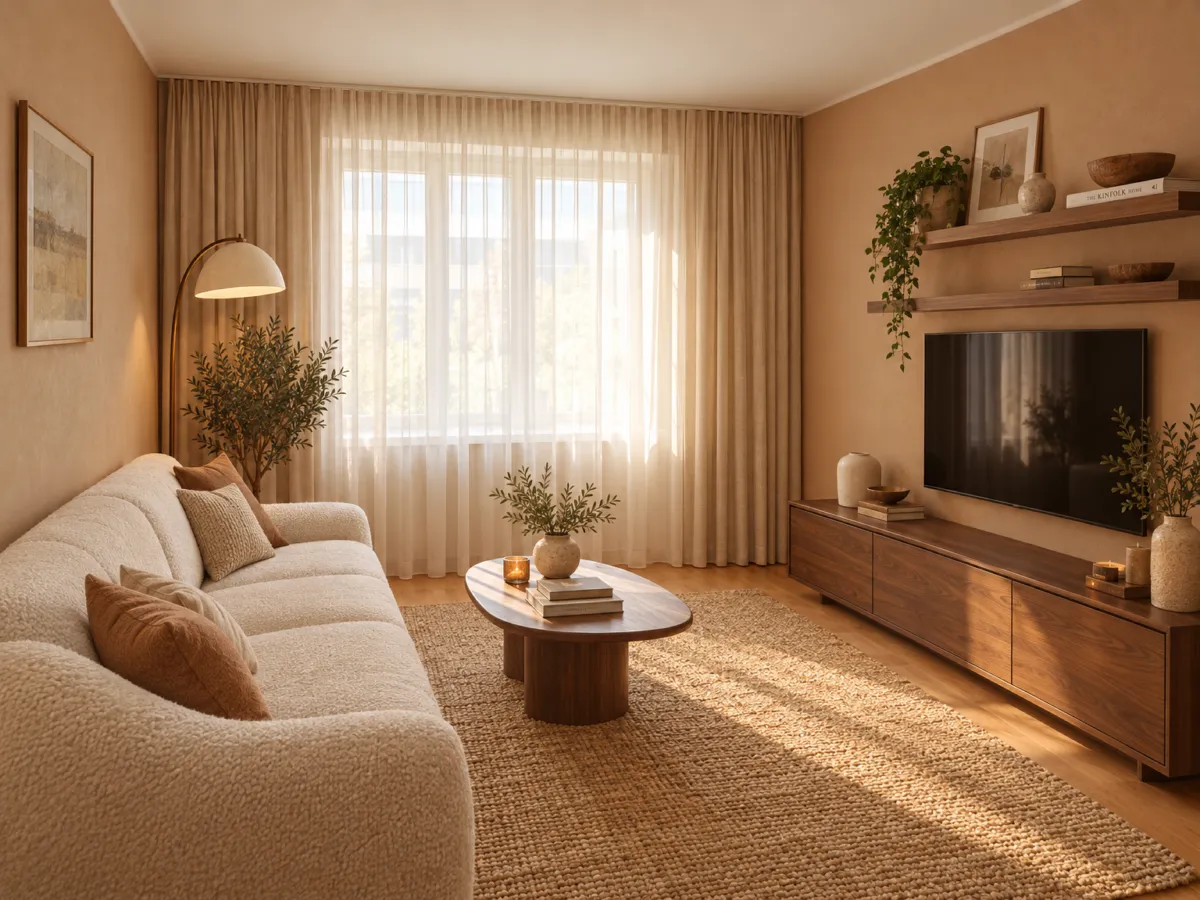
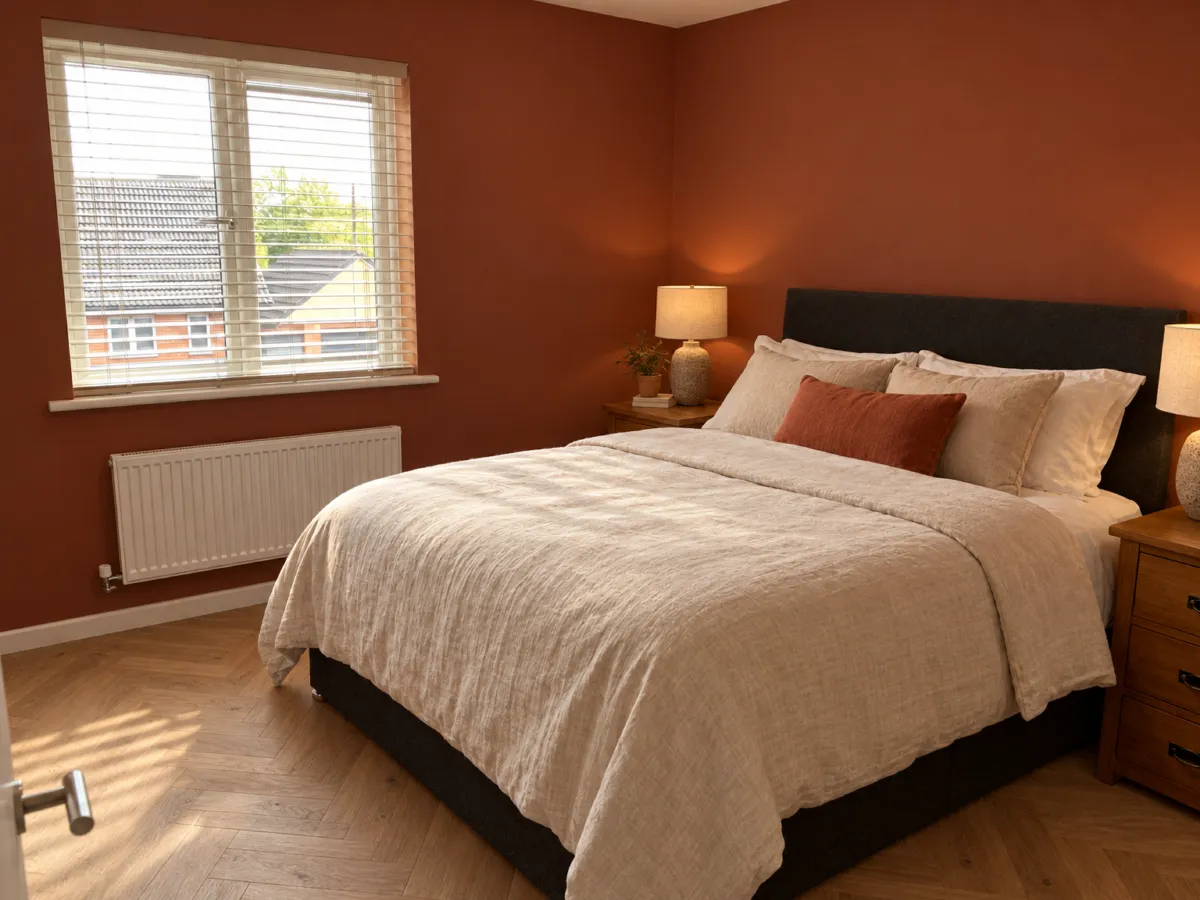
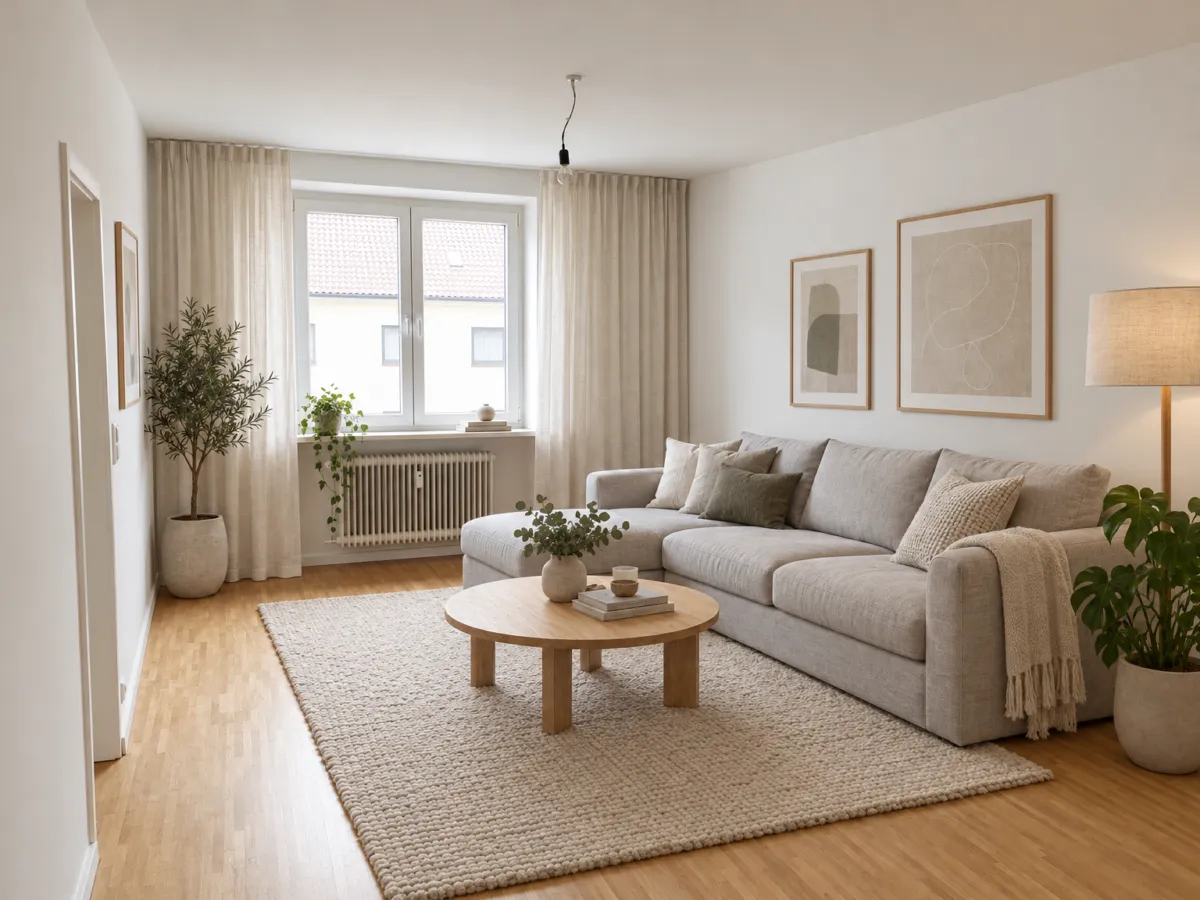
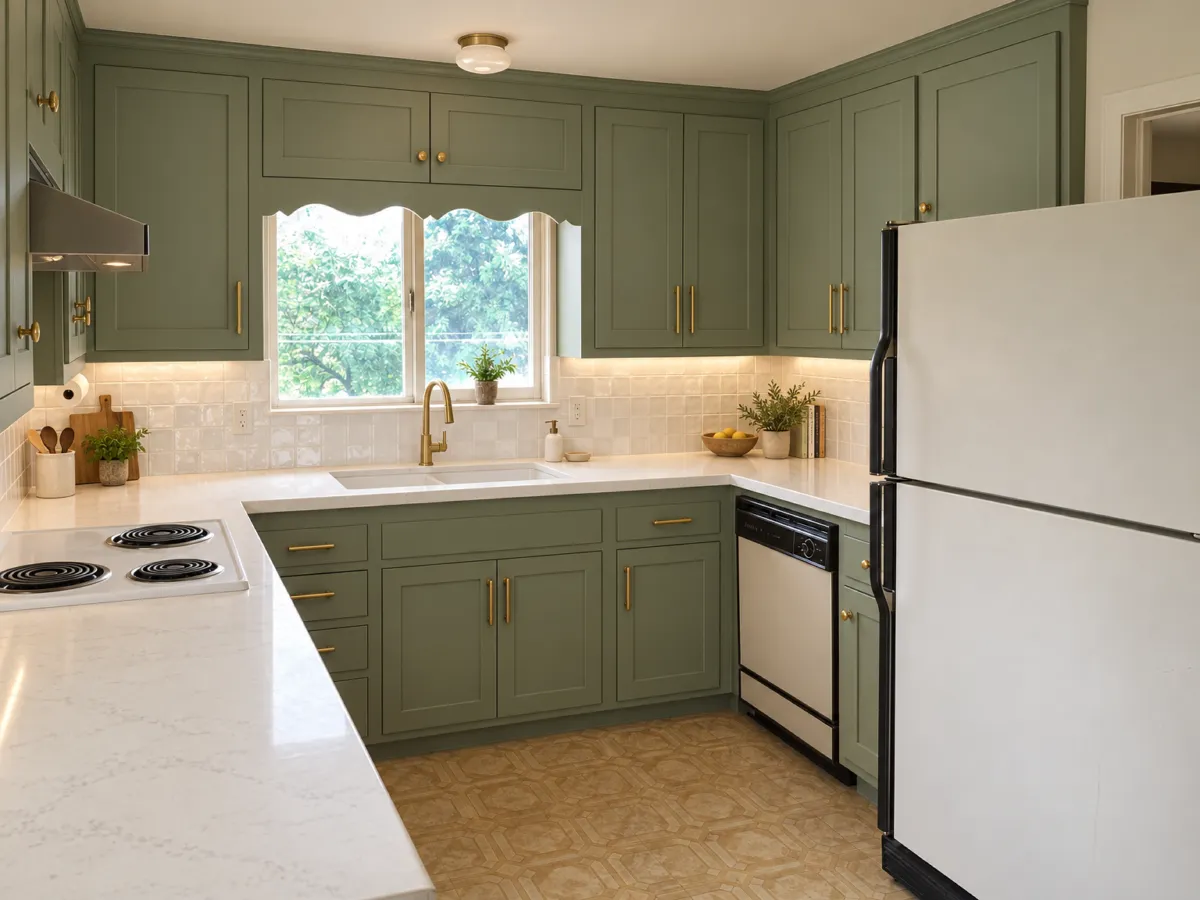
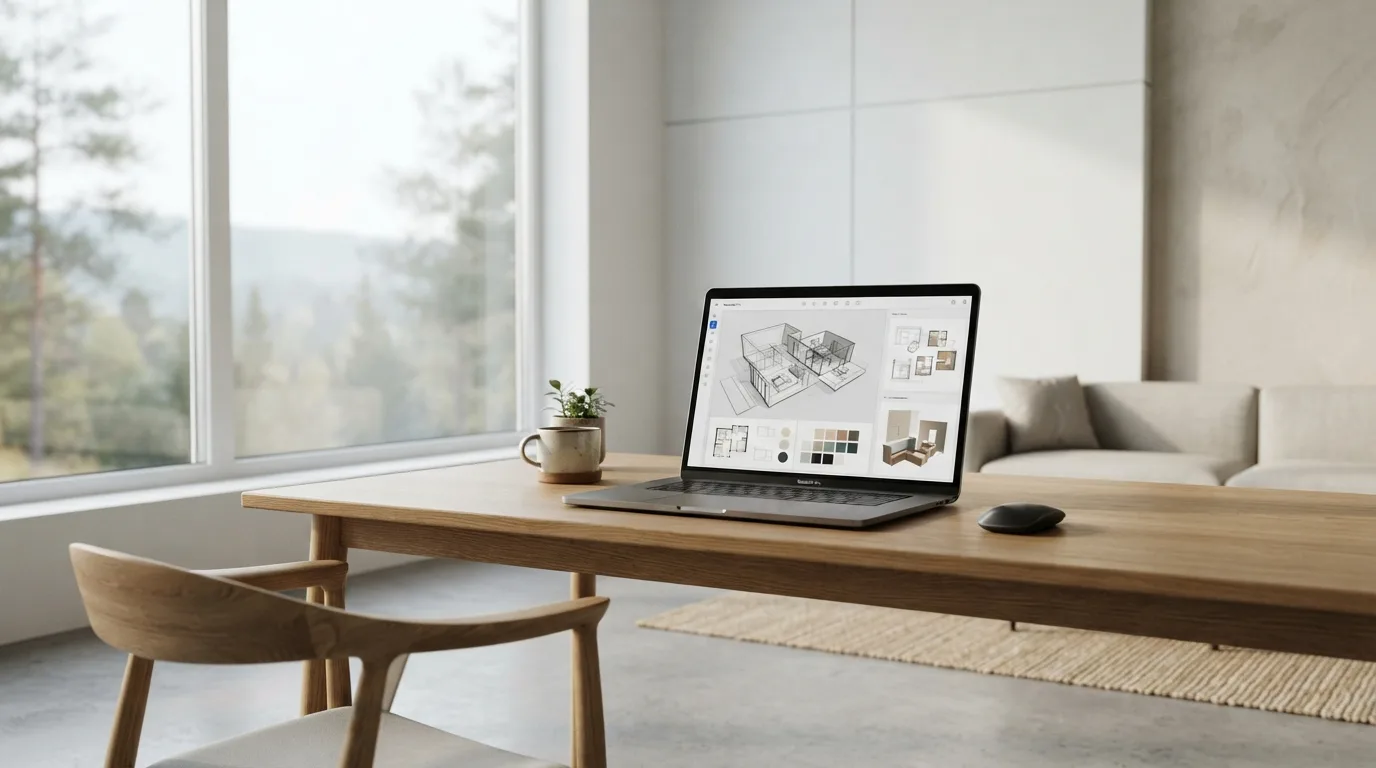
AI home design gives you a picture of the finished room before anyone lifts a tool. Upload a photo or enter measurements and the software returns a realistic preview in seconds, as the Irish Examiner describes. That turns a renovation from a guess into a set of options you can compare while the walls are still untouched.
The first pass is cheap and fast. A single photo of an empty or dated room becomes a fresh layout, color scheme and style in minutes, which makes early design inspiration almost free. Automated layout suggestions also account for the spatial limits of the room and your own preferences, so furniture lands where people can actually walk.
For a whole home, that speed matters more than for one room. You can run the same interior design language through a kitchen, a hallway and a living room, then check whether the palette holds together before ordering anything. Virtual simulations let you walk the result and settle layout and decor choices before committing to products.
Expect friction. Rob Owen of the Manser design studio notes that homeowners may still struggle at this stage, since the tools want a 3D model of the space or at least good quality photos. Interior designer Anna Straw calls AI a good starting point that cannot replace a designer's skills and intuition.
Cost scales with realism. Simple AI-assisted work is cheap, but high-definition renders cost much more because an expert is still needed, per the Irish Examiner. Budget accordingly: quick previews for exploring home design ideas, paid renders for the version you build from.
Renderist fits here as the next step once your own photos and dimensions are ready and you want those previews generated without a studio booking. Treat the output as design concepts to test, not final drawings.

How Do You Prepare a Whole Home for AI Visualization?
Before a tool can suggest anything useful, it needs to know what it is working with. That means a full set of dimensions for every room, not just the one you plan to photograph first. Walk through the house with a tape measure and note door and window positions, ceiling height and anything fixed, such as radiators or a boiler.
Good photos matter as much as the numbers. Rob Owen from the Manser design studio points out that homeowners may still find AI tools a bit tricky, because they depend on a 3D model of the space or at least good quality photos. Take each shot straight on, in daylight, with the room tidy and the whole wall in frame.
For a new build or a major renovation, start with floor plans. A tool that turns an idea into a layout you can adjust in seconds lets you test circulation and furniture placement before walls go up. Get the shell right first, then move on to finishes.
This is where an AI home design workflow differs from picking a style and hoping. Upload photo sets room by room and the design app builds a preview you can compare against your measurements. The best AI home design free options usually give you a small allowance to try this, so test the process on one room before committing to the whole house.
Decide the order you will work in: layout, then built-in elements, then furniture and color. Changing a sofa in a render costs nothing. Moving a wall after the fact does not.
Which AI Home Design Approach Fits a Full House, Not One Room?
One room is a contained problem: four walls, one style decision, a single round of renders. A whole house is a chain of decisions where each one constrains the next, and that is where most budgets go wrong. The kitchen you approve in week two sets the flooring budget, which sets what is left for the bathrooms.
This is why the order matters more than the tool. Start with a floor plan you can adjust, then lock the layout of the rooms that carry plumbing and wiring, then move to finishes. A floor plan generator that turns an idea into an editable layout in seconds gets you to that first decision without learning complex software; one platform describes exactly that kind of instant layout work.
Once the shell is settled, an AI design generator earns its place. Upload a photo or the measurements and you get a realistic preview in seconds, per the Irish Examiner. Automated layout suggestions account for a room's spatial constraints and your preferences, which saves time and puts furniture where it actually fits.
For the whole house, work room by room against one fixed palette and a small set of design styles, so the living room ideas do not drift away from the bedroom. That consistency is what separates personalized design from a pile of unrelated renders. Contemporary was the most popular style in 2025 at 35.14% of revenue, according to SNS Insider, which tells you how much homeowners want interiors that adapt rather than commit to one look.
Expect friction at the input stage. Rob Owen of the Manser design studio notes that homeowners may still find these tools tricky, because they depend on a 3D model of the space or at least good quality photos. Interior designer Anna Straw calls them a good starting point for a renovation, while saying no technology replaces a designer's skills and intuition. Use them to test, then pay a professional for the parts that carry real cost.
What Can Go Wrong When You Rely on AI for a Whole Home Plan?
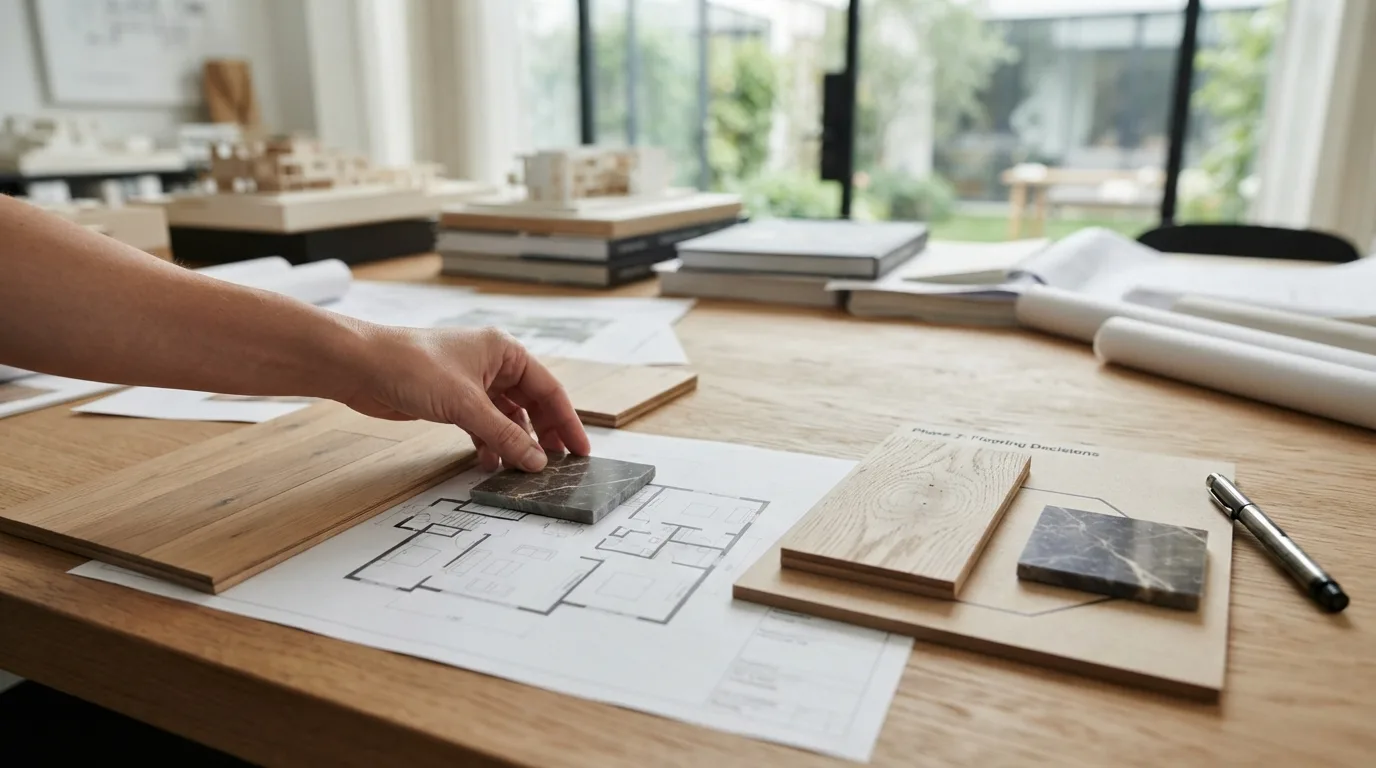
AI tools work best on a single room at a time. Ask one to plan a whole house and the cracks show. Designer Anna Straw puts it plainly to the Irish Examiner: these tools are a good starting point for a renovation, but they cannot replace the skills of a human designer. A whole-home plan is where that gap costs the most money.
The practical snag is the input. Rob Owen from the Manser design studio told the Irish Examiner that homeowners may still find AI tools a bit tricky, because the software needs a 3D model of the space or at least good quality photos. One dark hallway shot will not carry a kitchen design through to a bathroom design, and it says nothing about how the two connect.
Watch the seams between rooms. Each image gets judged on its own, so a living room scheme and a modern bedroom come back looking like they belong to different houses, with wall paint that clashes across a doorway. The same happens outside, where exterior design and landscaping design are usually handled by separate tools that never see each other. Curated home design ideas pulled from a gallery make this worse, because every pick is judged alone rather than against the room next to it.
Then there is the cost trap. Simple AI-assisted work is cheap, but the Irish Examiner notes that high-definition renders can cost a lot more, as an expert is still required. Budget for the polished images at the end, once the layout is settled. And do not take a room makeover as a shopping list: a generated room furniture arrangement can look convincing while ignoring a radiator, a door swing or a window that never opens.
Where Does a Human Designer Still Earn Their Fee?
AI tools are good at the first pass, and that is exactly where the fee argument starts. Interior designer Anna Straw calls them a solid starting point for a renovation, but says plainly that they cannot replace the skills of a human designer. Her line is blunt: no technology replaces the skills and intuition of a professional.
That gap shows up in the work that comes after the first render. A tool will propose a layout that respects the room's dimensions and your stated preferences, which saves time and puts furniture where it fits. What it will not do is tell you that the bedroom design you love leaves no space for a wardrobe, or that the kitchen design breaks the work triangle once a full-size fridge arrives.
The same limit runs through the whole project. One render of a bathroom design says little about drainage falls, and an exterior design or landscaping design that looks right in a picture can fail on levels, soil and how water moves across the plot. Those calls come from someone who has stood on the site, and they are the reason high-definition renders still need an expert, which is where the cost climbs.
For a dream home or a full home remodeling, the sensible split is cheap iteration first, paid judgment second. Generate options, discard the weak ones, then bring professional designers in to stress-test what survived. Rob Owen of the Manser design studio notes that homeowners may still find these tools slightly tricky, since they want a 3D model or at least good quality photos. Shoot your rooms properly before you judge any home design output.
What Is the Real Cost of Testing a Whole Home With AI First?
Most of the money goes before the first wall comes down, on samples, swatches and furniture you order and then send back. An AI home design run costs far less at the start, but the price climbs sharply once you want a finished picture instead of a rough idea. As one interior designer quoted by the Irish Examiner puts it, simple AI-assisted work is cheap, while high-definition renders cost a lot more because an expert is still required.
That split matters when you plan a whole house, not a single room. A quick design app pass on a kitchen, a bathroom and a bedroom design gives you three separate guesses, and each one has to be judged on its own. Where the tools genuinely earn their keep is layout: automated suggestions account for the spatial limits of a room and your own preferences, which saves time and keeps furniture in spots people can actually use, per the same Irish Examiner piece.
| Stage | What you get | What it costs |
|---|---|---|
| Quick idea test | New layout, colors and style from one upload photo | Low, often within a free trial |
| Whole-home pass | Every room tried in the same style | Adds up fast, room by room |
| Finished render | A polished image you can hand to a fitter | High, an expert is still required |
| Free allowance | Limited runs for new accounts on some tools | One-time gift, then paid |
Budget for the failures too. Tools that turn a photo into a fresh concept often need several attempts before the result is worth keeping, and good design previews depend on a 3D model of the space or at least sharp photos, warns Rob Owen of the Manser design studio. Take the before and after pair as a conversation starter, then spend on the build.
Frequently Asked Questions
How much does AI interior design software cost?
Simple AI-assisted work is cheap, but high-definition renders cost much more because an expert is still needed to produce them. Most tools also limit how much you get for free: of five tools compared by TopOn Tech, only two offered a genuinely usable free allowance, and both were one-time gifts for new accounts. Check the free tier before you plan a whole house around one tool.
Can AI design a whole house or only single rooms?
Most consumer tools work room by room: you upload a photo of one room and pick a style to get a new design. Whole-home planning is possible but harder, because it depends on having a 3D model of the space or at least good quality photos, as Rob Owen from the Manser design studio points out. For a full house, expect to feed the tool several rooms and check that the results hold together.
Do I still need an interior designer if I use AI?
Yes, for anything beyond early ideas. Interior designer Anna Straw says AI tools are a good starting point for a renovation but cannot replace the skills of a human designer, and no technology replaces a professional's skills and intuition. Use AI to test layouts, colors and styles, then bring in a designer for the decisions you will live with for years.
How accurate are AI room designs?
Accurate enough to test ideas, not accurate enough to order furniture from. AI tools can suggest layouts that respect a room's spatial constraints and your preferences, and virtual simulations let you see a design before it is built. Measurements and photos drive the result, so poor input gives a pretty picture that will not fit when the delivery arrives.