Tools
Virtual Staging: A Practical Guide for Sellers and Agents
Renderist Team ·
What Is Virtual Staging and When Does It Make Sense?
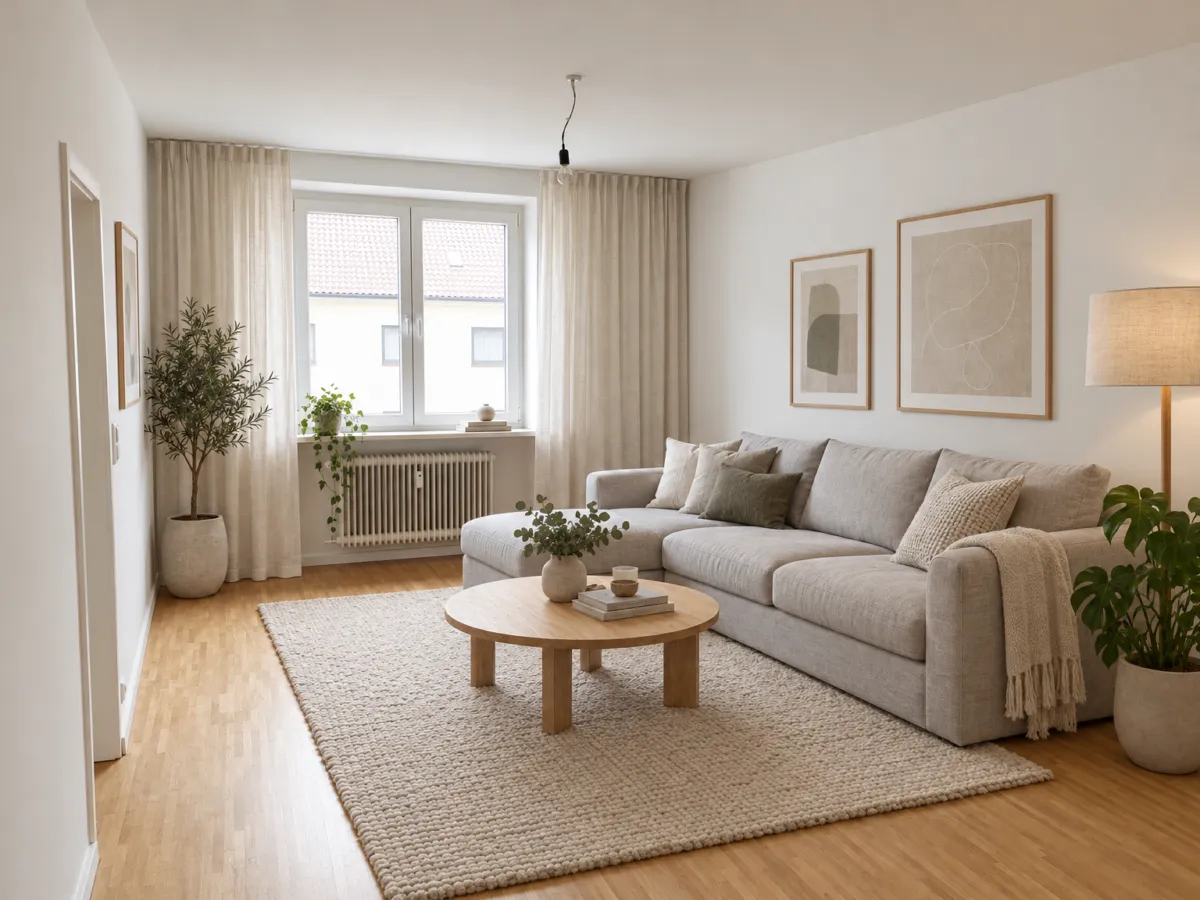
Virtual staging means adding furniture and decor to photos of empty rooms with digital tools, so a buyer sees a furnished space without anyone moving a sofa in. It is the cheaper, faster branch of the same idea Barb Schwarz named staging back in 1972; digital staging only became practical in the late 1990s and early 2000s, once computers and software could handle the rendering.
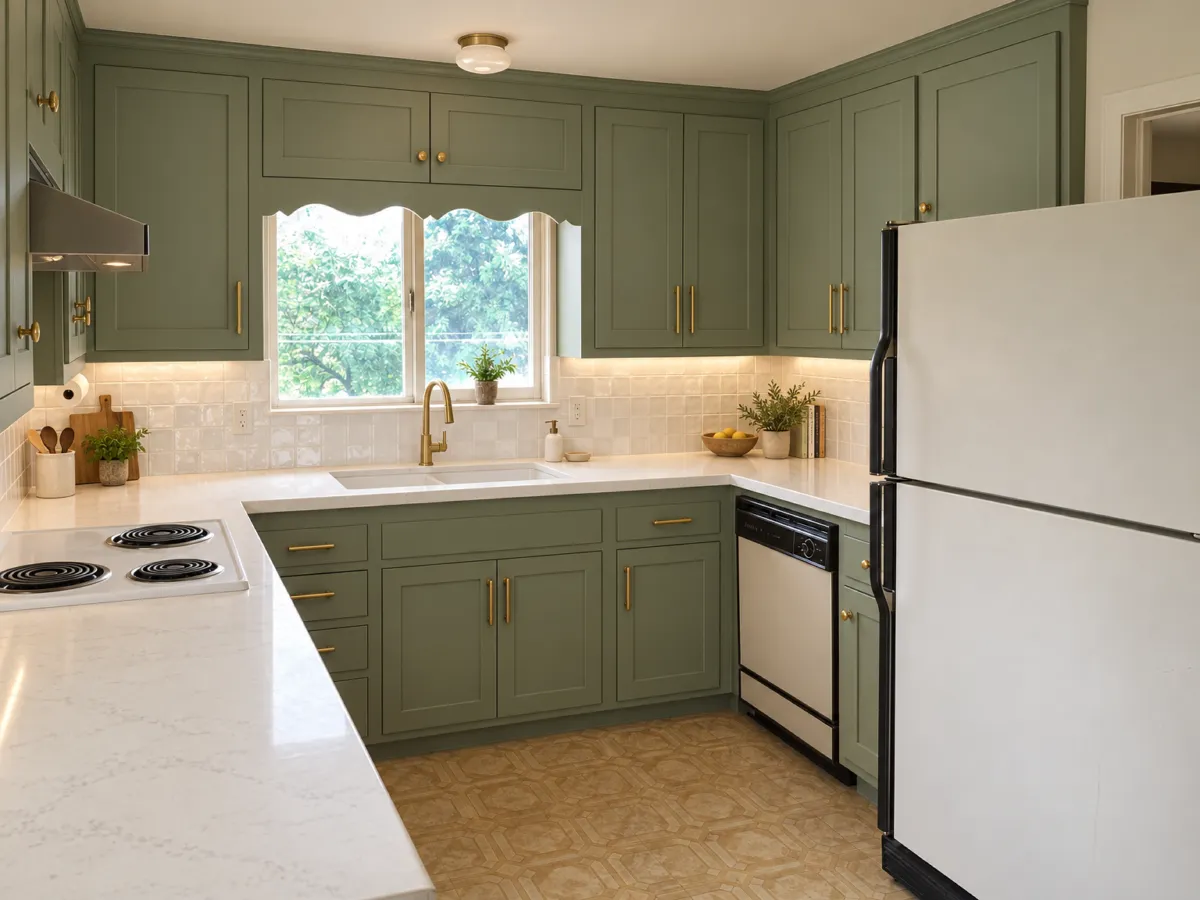
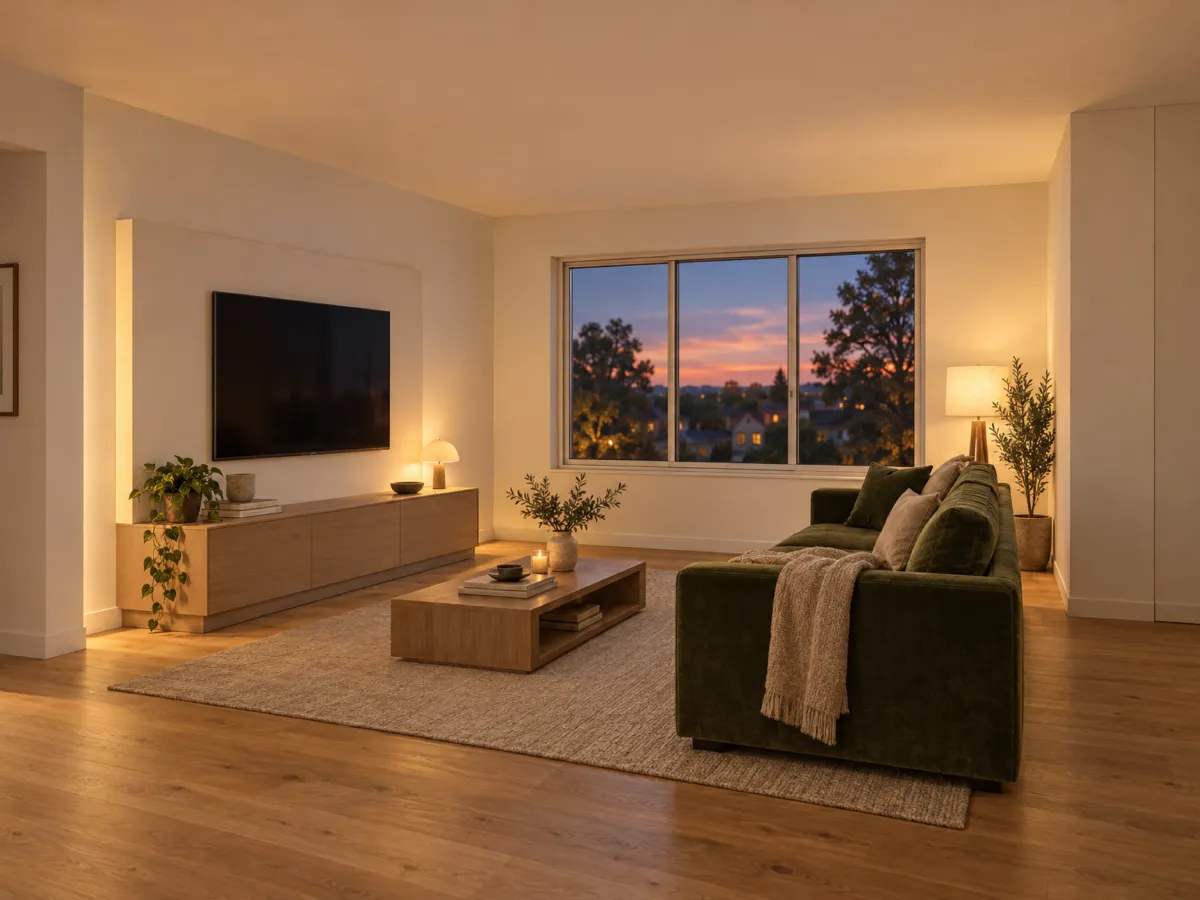
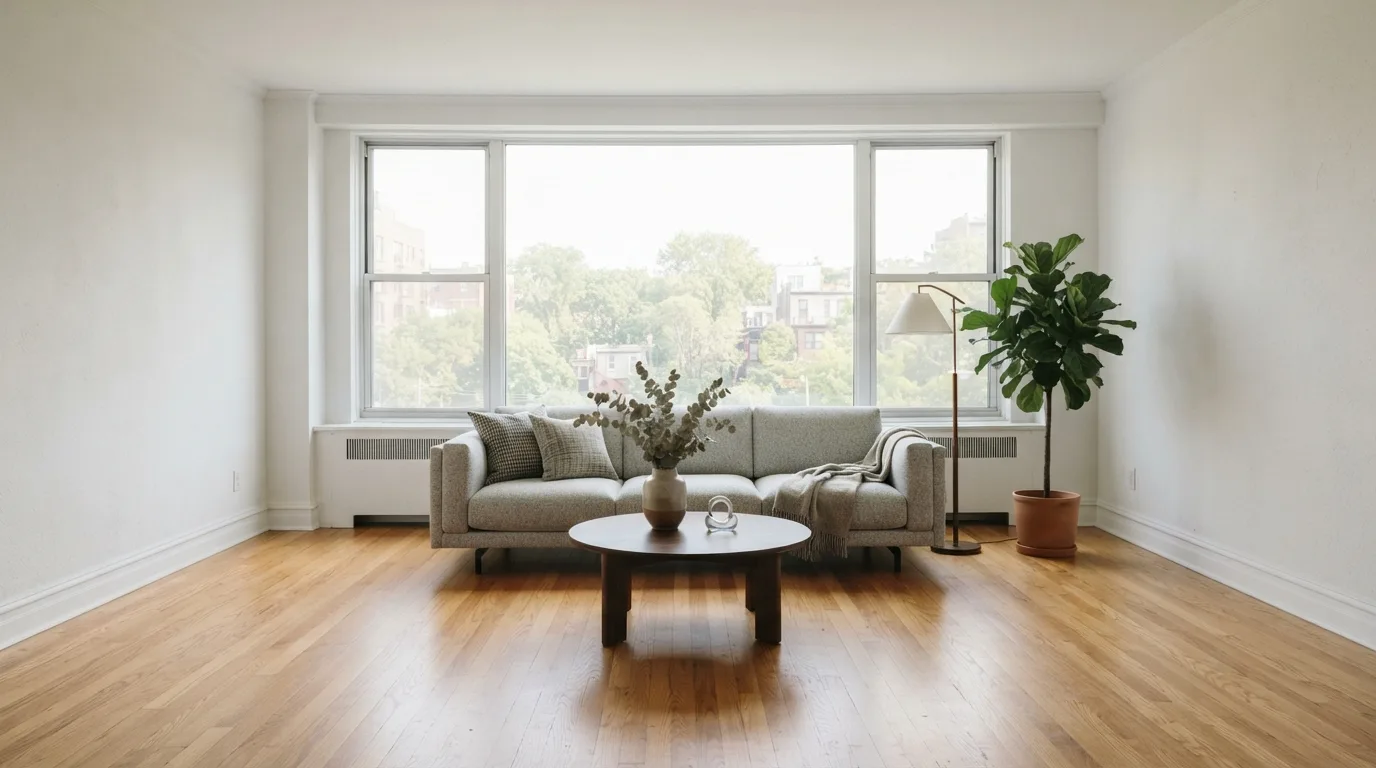
The point is not decoration. Staging strips out the owner's taste so potential buyers can picture their own life in the rooms. Virtual staging does that on a screen: you keep the real walls, windows and light, and change only what sits inside them. An entry-level vacant condo is the textbook case, because speed and cost control matter more there than anywhere else.
The money gap is wide. Traditional staging runs at a monthly rate at the low end, and a multi-month contract on a large home can total thousands of dollars. Virtual work is billed per photo, with packages priced by the level of finish and a wide spread between basic and luxury renders, so the same empty room can be furnished for a fraction of what physical furniture rental costs. PhotoUp estimates virtual staging comes in 60 to 90 percent cheaper than the physical alternative.
Two practical rules follow. PhotoUp's rule of thumb: lower-priced listings are usually better served by virtual staging than by rented furniture. And the source photo decides the result. A room that is empty, clean and well lit gives the software clean edges to work with; clutter, bad exposure or a half-packed corner produces images that look wrong and undermine trust in the listing.
How Much Does Virtual Staging Cost Compared with Physical Staging?
The virtual staging cost conversation usually starts with the photo and ends with the invoice, but the number that matters is what you pay across the whole listing. Virtual staging is billed per image, so a small condo needs a handful of renders while a large house with several empty rooms multiplies that figure. Traditional staging runs on a monthly contract instead, and the clock keeps running until the property sells or the agreement ends.
That difference changes how you plan. With traditional staging, every extra week on the market adds to the bill, which is why sellers feel pressure to accept an offer early. A virtual staging cost stays fixed once the images are delivered, so a slower sale costs you nothing more. The trade-off is control: a staging company brings real furniture, real texture and a walkthrough a buyer can stand inside.
| What you compare | Virtual staging | Physical staging |
|---|---|---|
| Billing basis | Per finished photo | Monthly rental contract |
| Time to first images | Days | Weeks |
| Cost across a full listing | Fixed after delivery | Grows with time on market |
| Best fit | Vacant condos, tighter budgets | Higher-priced homes, in-person viewings |
Payment is where the two paths really split. A virtual job is small enough to clear on a credit card in one go, often before the listing goes live. Traditional staging costs arrive as a deposit plus recurring invoices, and some staging companies also charge for removal at the end. Ask for the full schedule in writing before you sign anything.
One practical note on the images themselves: staged renders work as marketing, not as a record of the property. Label them clearly in the listing and keep the empty-room originals handy for buyers who ask what the space really looks like.

What Difference Does Virtual Staging Make to Sale Price and Time on Market?
Virtually staged homes tend to sell for more than unstaged properties. The gap shows up most clearly in the middle of the market, where buyers compare several similar units in one afternoon and remember the one that looked move-in ready.
Speed matters as much as price. Virtually staged homes spend far less time on the market than unstaged properties. That is a substantial reduction in time, and it changes how you plan a listing: fewer weeks of carrying costs, fewer price cuts.
A study of listings handled by one brokerage network found far fewer non-serious inquiries and far more interest from serious buyers. The mechanism is simple. Photos of furnished rooms answer the question buyers ask first, so people who are not ready to move stop calling and the ones who are come in already convinced.
That shift in the inquiry mix is where virtual staging earns its place in real estate marketing. Your potential customers decide from the photos whether a space fits their sofa, their desk, their life. An empty room leaves that work to them, and most will not bother.
Staging also does something decorating cannot: it strips out the owner's taste so a buyer can picture their own. That is why the return holds up across price bands, even when the cost per photo is modest next to a three-month furniture rental.
Which Homes and Rooms Benefit Most from Virtual Staging?
An empty room photographs badly. A bare living room reads as smaller than it is, and buyers scroll past it without stopping. Virtual staging fills that gap, but not every listing needs it. The decision comes down to what a buyer cannot see on their own.
Vacant properties gain the most. An entry-level vacant condo usually works well with virtual staging because it is fast and keeps costs under control, and the same logic holds for any empty unit where the layout is fine but the rooms feel cold. Occupied homes with heavy or dated furniture are the harder case: the owner's taste sits in the frame, and staging is meant to remove that bias so buyers can picture their own life there.
Some rooms carry more weight than others. The living room is staged most often, followed by the primary bedroom and the dining room. Start there. A small bathroom or a hallway rarely changes a buyer's mind.
Photo quality decides the result more than the furniture does. A good source image shows a room that is empty, clean and well lit; shoot it before you start moving boxes around. From that base you can test different styles of furniture placement without booking a single delivery:
- Try several furniture styles against the same empty room and keep the one that matches the building, not your own taste.
- Keep color schemes and lighting consistent across the whole set of listing photos, so the house reads as one place.
- Skip virtual staging on rooms where the photo is dim, cluttered or shot at an odd angle; fix the shot first.
One practical limit: virtual staging shows a version of the room, not the room itself. Keep the edited images clearly labeled in the listing and be ready to say which shots were rendered.

How Do You Get from an Empty Room to a Listing Photo?
The shoot comes first. A phone camera works if the room is empty, clean and well lit, because virtual staging with AI has nothing to hide clutter behind.
You upload photos to the tool, pick a style, and it adds furniture and decor in seconds. Designer-led photo staging takes hours or days by comparison, so the turnaround time matters when a listing goes live on Friday.
Check the result before it reaches the portal. Watch the shadows, the window reflections and whether a sofa blocks a doorway that buyers will notice on the floor plan. Fixing one room costs less than reshooting the whole set.
For real estate agents running several listings, the workflow is the same each time: shoot empty, upload, review, publish. An entry-level vacant condo suits this best, where speed and cost control decide the choice.
Disclose it. A rendered room is a picture of what could be, not what is, and buyers who arrive to an empty flat remember being misled.
Renderist sits at the end of that chain, when the photo is ready and the room needs furniture. Nothing more.
When Should You Disclose That a Photo Has Been Virtually Staged?
Disclosure is where virtual staging stops being a design decision and becomes a legal one. Many listing rules and multiple listing services require a clear label on any image that has been altered, and a photo of an empty room filled with digital furniture counts as altered.
The safest habit is to assume the buyer will eventually walk through the door and compare. If the label was missing, that first viewing turns into a conversation about what else might have been touched up.
Work through the steps in this order:
- Check what your local listing service and your brokerage require in the photo caption, then write the exact wording into your listing template so nobody has to improvise.
- Label every staged image individually, not once in the description, because photos get shared and reposted without the surrounding text.
- Keep the original empty-room file alongside the staged version, so you can show what was changed if a buyer asks.
- Say plainly in the caption that furniture and decor are digitally added and are not included in the sale.
- Review the set before publishing and remove any image where the label got cropped or lost in resizing.
One point gets missed often: staging is marketing, not decorating. Its job is to strip out the current owner's taste so a buyer can picture their own life in the rooms. A label does the same work. It removes doubt, and doubt is what makes people ask whether the room is really that bright or that wide.
Done this way, disclosure costs you a line of text and buys you a buyer who trusts the rest of the listing.
FAQ - krótkie odpowiedzi
Does virtual staging count as misleading advertising?
No, as long as the listing says the image is a rendering and the room is shown as it actually is. Staging is marketing, not decorating: it removes the owner's taste so buyers can picture their own life in the home. The problem starts when a staged photo is passed off as a real photograph, so label every rendered image clearly in the listing and keep the original empty-room shot on file.
How long does it take to get virtually staged photos back?
AI virtual staging is fully automated and produces finished images in seconds, while designer-led staging can take hours or days. Turnaround also depends on how many photos you send and how clean the source shots are. If you are working to a listing deadline, upload the empty, clean, well-lit photos first and order the rest of the set afterward.
Can I stage a photo of a room that still has furniture in it?
Usually not well. A good source photo for AI staging should show a room that is empty, clean and well lit, so clear the space or shoot it before the old furniture goes back in. If you cannot empty the room, expect the tool to work around clutter rather than remove it, and the result will look less convincing to buyers.